


Why Choose 1060 Aluminum Busbar
In the field of conductive aluminum busbars, 1060 aluminum busbar is the undisputed king of cost-effectiveness and the first choice for most applications—from distribution cabinets to transformers, from busway systems to battery connections, it's virtually everywhere.
- Extremely Low Cost: Most abundant supply, lowest price, widest range of specifications.
- Absolutely Sufficient: Covers 90% of standard electrical conductivity requirements.
- Processing-Friendly: Bends without cracking, ensuring high yield rates.
Is it right for you? If your project has no special certification requirements, 1060 is the safest choice.
- For ultimate electrical conductivity → [1070 Aluminum Busbar]
- For export/international certification → [1350 Aluminum Busbar]
Technical Specifications
Basic Parameters
| Item | Data |
| Alloy Grade | 1060 (Industrial Pure Aluminum) |
| Aluminum Content | ≥ 99.60% |
| Electrical Conductivity | ≥ 61% IACS (typically reaches 62%) |
| Resistivity | ≤ 0.0283 μΩ·m |
| Density | 2.7 g/cm³ |
| Melting Point | 646-657°C |
| Thermal Conductivity | 234 W/(m·K) |
| Standards | GB/T 3190, ASTM B209, EN 573-3 |
Available Tempers & Properties
| Temper | Hardness (HB) | Tensile Strength (MPa) | Elongation (%) | Bendability |
| O (Soft) | 20-30 | 55-75 | ≥25 | Excellent |
| H112 | 23-35 | 60-90 | ≥12 | Good |
| H14 | 30-40 | 90-120 | ≥5 | Fair |
| F | — | — | — | — |
Dimension Range
| Item | Standard Range | Customizable Range |
| Thickness | 2 - 50mm | 0.5 - 80mm |
| Width | 10 - 200mm | 5 - 400mm |
| Length | 1000 - 6000mm | Up to 12000mm |
Chemical Composition
| Al | Si | Fe | Cu | Mn | Mg | Zn | Ti |
| ≥99.60% | ≤0.25 | ≤0.35 | ≤0.05 | ≤0.03 | ≤0.03 | ≤0.05 | ≤0.03 |
Stock Size Quick Reference
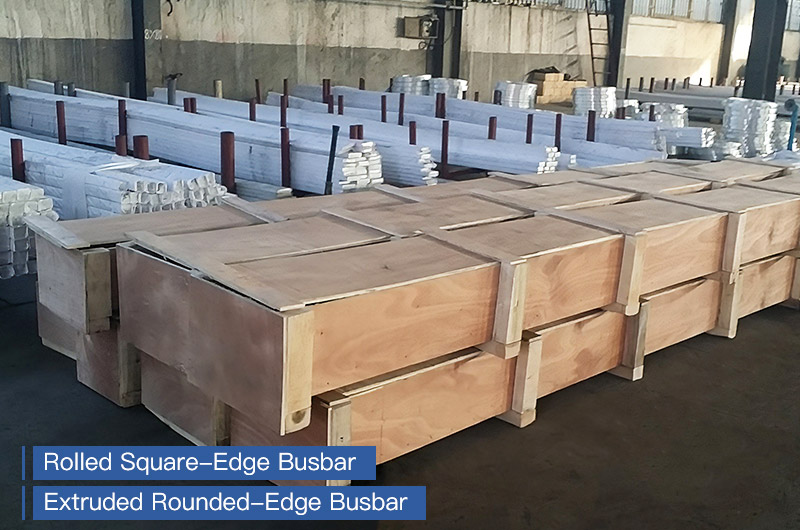
Worthwill maintains 200+ specifications in stock. Below are our best-selling models:
Extruded Rounded-Edge Busbar (R-Corner)
| Thickness | Stock Widths (mm) — ★ = Best Sellers |
| 3mm | 30, 40, 50 |
| 5mm | 30, 40, 50, 60, 80 |
| 6mm | 50, 60, 80, 100, ★6.3×63, ★6.3×100 |
| 8mm | 50, 60, ★63, 80, 100, 120 |
| 10mm | 60, ★63, 80, 100, 120, ★125, 140, 150 |
| 12mm | ★60, ★80, ★100, 120, ★125 |
| 15mm | 100, 120 |
| 16mm | ★100, ★125 |
| 20mm | ★80, ★100 |
Rolled Square-Edge Busbar
| Thickness | Stock Widths (mm) |
| 2mm | 20, 30, 40, 50 |
| 3mm | 30, 40, 50, 60, 80, 100, 120, 160 |
| 4mm | 25, 30, 40, 50, 60, 80 |
| 5mm | 30, 40, 50, 60, 80, 100, 120 |
Why No Cracking During Bending?
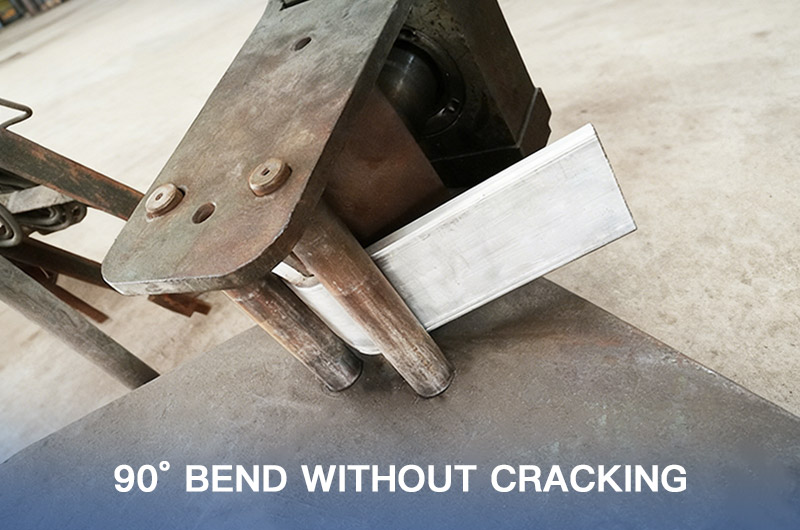
"Bending cracks" is the most common quality complaint for aluminum busbars. Worthwill ensures zero cracking on O-temper 90° bends through the following measures:
| Process | Control Measures | Testing Method |
| Raw Material | Only A00 grade primary aluminum ingots | Spectrometer composition analysis |
| Melting & Casting | Fe, Si impurity control | In-furnace rapid analysis |
| Annealing | Precise temperature control, sufficient holding time | Hardness testing (HB 20-30) |
| Finished Product | Elongation ≥25% | Tensile testing machine sampling |
| Outgoing | Bend test | 90° bend with no crack criteria |
Hidden risks of cheap busbars: Some suppliers use recycled aluminum or shorten annealing time to cut costs, leading to bending cracks and substandard conductivity. Worthwill upholds our quality standards.
One-Stop Processing Services
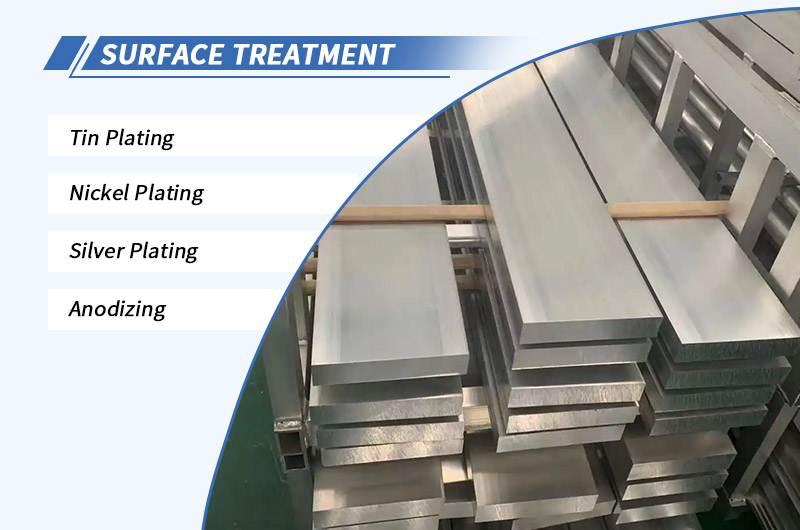
Surface Treatment
| Treatment | Thickness Range | Purpose |
| Tin Plating | 2-30mm | Anti-oxidation, soldering aid |
| Nickel Plating | 2-20mm | Wear & corrosion resistance |
| Silver Plating | 2-15mm | Ultra-low contact resistance |
| Anodizing | 2-20mm | Insulation, aesthetics |
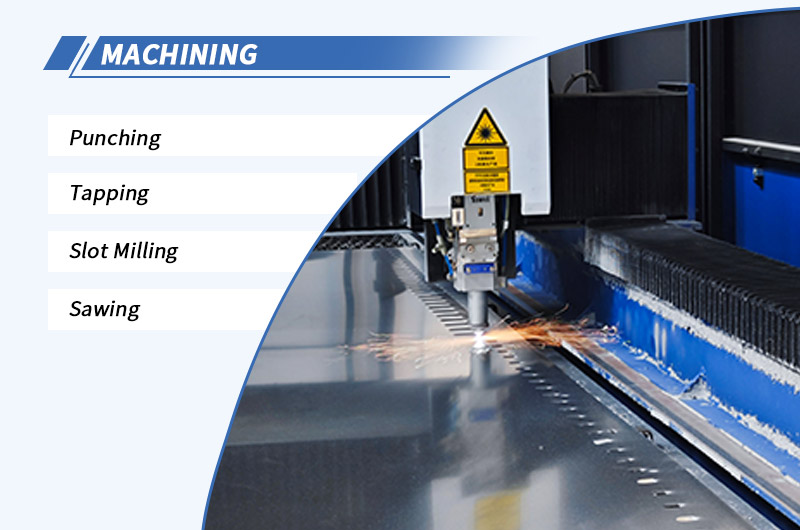
Machining
| Process | Capability |
| Punching | Round holes Φ5-Φ30, oval holes, square holes |
| Tapping | M6-M20 standard threads |
| Slot Milling | Width 3-20mm |
| Sawing | Precision ±0.5mm |
| Chamfering | Standard/high-precision grade |
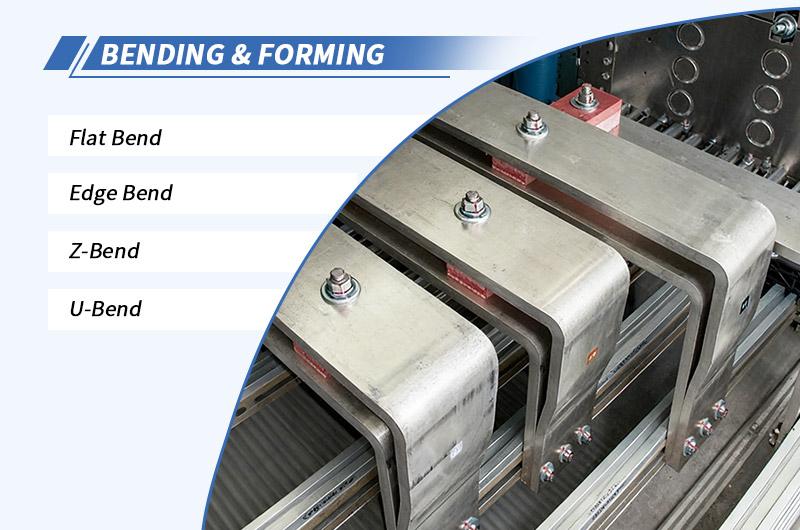
Bending & Forming
| Bend Type | Description |
| Flat Bend | Horizontal direction bending |
| Edge Bend | Vertical direction bending |
| Z-Bend | Two reverse bends |
| U-Bend | 180° bend |
| Custom Bend | Per drawing specifications |
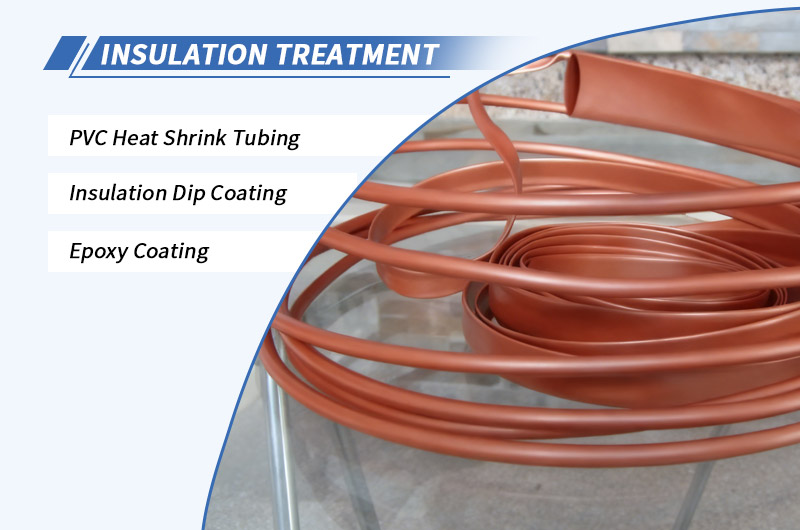
Insulation Treatment
| Method | Colors | Voltage Rating |
| PVC Heat Shrink Tubing | Red/Yellow/Green/Blue/Black | 1kV |
| Insulation Dip Coating | Multiple colors available | 1.5kV |
| Epoxy Coating | As required | 2kV+ |
Industry Solutions
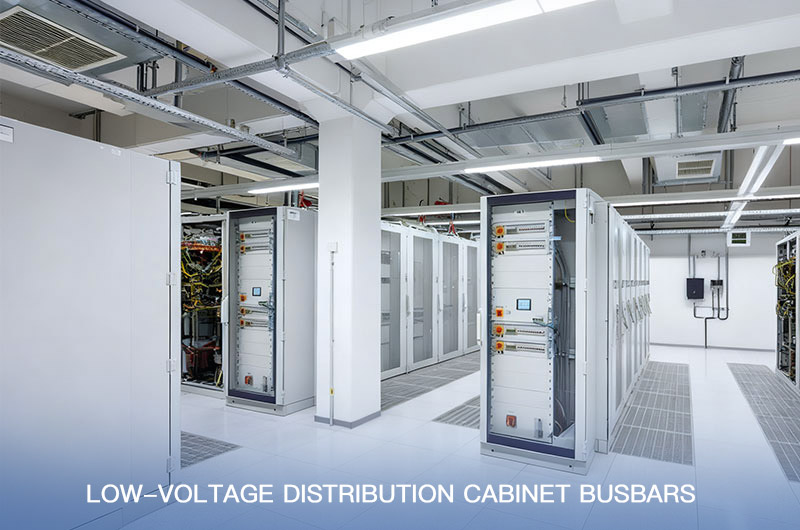
Solution 1: Low-Voltage Distribution Cabinet Busbars
Pain Points: Multiple bends, complex hole patterns, tight delivery schedules
Worthwill Solution:
- Recommended sizes: 10×100, 10×80, 8×63 (extruded rounded edge)
- Temper: O or H112
- Processing: Punching + Bending + Tin plating completed in one go
- Lead time: Standard 7-10 days
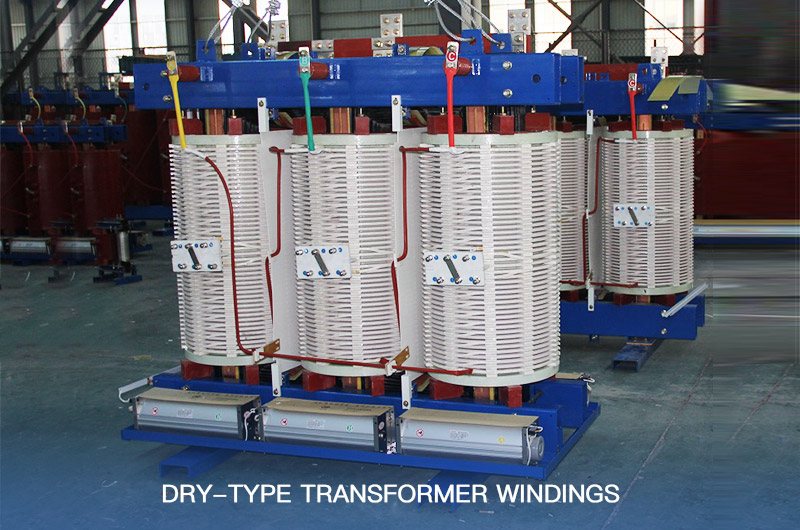
Solution 2: Dry-Type Transformer Windings
Pain Points: Thin strip required, high surface quality, good continuity
Worthwill Solution:
- Recommended sizes: 0.5-3mm thick aluminum strip/coil
- Process: Cold rolling and slitting
- Surface: Double-sided protective film
- Supply: Coil supply, customizable weight
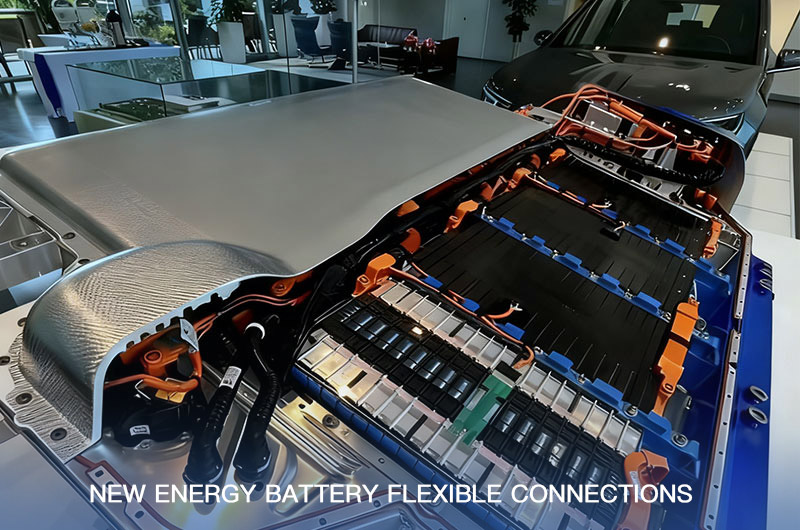
Solution 3: New Energy Battery Flexible Connections
Pain Points: Flexibility required, high current, lightweight design
Worthwill Solution:
- Recommended: Multi-layer thin aluminum foil diffusion welded
- Thickness: Single layer 0.1-0.3mm, total thickness as required
- Terminals: Punched holes/nickel plated
- Lead time: 15-20 days after sample approval
Quality Assurance System
| Stage | Assurance Measures |
| Raw Material Receiving | Spectrometer composition verification, reject non-conforming materials |
| Production Process | First article inspection + patrol inspection per batch |
| Finished Product Inspection | 100% conductivity testing (eddy current tester) |
| Shipping Documents | MTC (Material Test Certificate) + Conductivity report |
Packaging
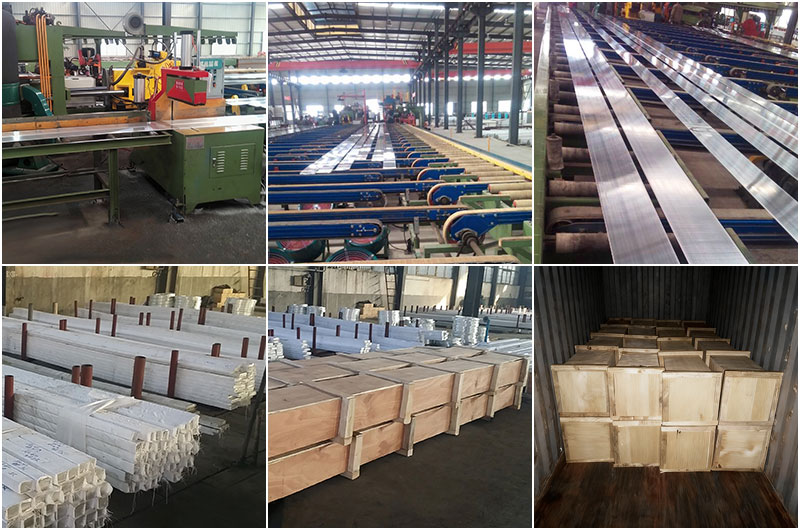
| Layer | Material |
| First Layer | Anti-rust paper / Plastic film |
| Second Layer | EPE foam / Padding paper |
| Third Layer | Desiccant |
| Outer Packaging | Fumigation-free wooden case / Wooden pallet |
| Reinforcement | Steel strapping |
Frequently Asked Questions (FAQ)
Q: What's the difference between your aluminum busbars and the cheaper ones on the market?
A: The main differences are in raw materials and processing:
| Comparison | Worthwill | Low-Cost Suppliers |
| Raw Material | A00 grade primary aluminum ingots | May contain recycled aluminum |
| Conductivity Guarantee | Contractually guaranteed ≥61% | Usually not guaranteed |
| Test Reports | Provided for every batch | May not be available |
| Bending Guarantee | O-temper 90° no cracking | Not necessarily guaranteed |
Q: What is the tin plating thickness? Can it be specified?
A: Standard tin plating thickness is 5-10μm. Custom options available:
- Thin tin: 3-5μm (for soldering)
- Standard: 5-10μm (anti-oxidation + soldering)
- Thick tin: 10-20μm (long-term corrosion protection)
Q: Can you do "same-day shipping"?
A: Yes, provided that:
- Specification is in our stock list
- Order confirmed before 11:00 AM
- No deep processing required (or only simple sawing)
Q: How do I calculate aluminum busbar weight?
A: Formula: Weight (kg) = Thickness (mm) × Width (mm) × Length (m) × 2.7 ÷ 1000
Example: 10×100×3000mm busbar
= 10 × 100 × 3 × 2.7 ÷ 1000 = 8.1 kg
Q: Can you provide aluminum busbar samples?
A: Yes.
- Stock specifications: Free samples available (length 200-300mm)
- Custom specifications: Sample fee based on actual cost, deductible from bulk orders