


Hydrophilic
Aluminum Foil
(Fin Stock)
The Ultimate Technical Guide for HVAC Manufacturers, Engineers & Procurement Specialists

Efficiency Boost
Heat Exchange
What is Hydrophilic Foil?
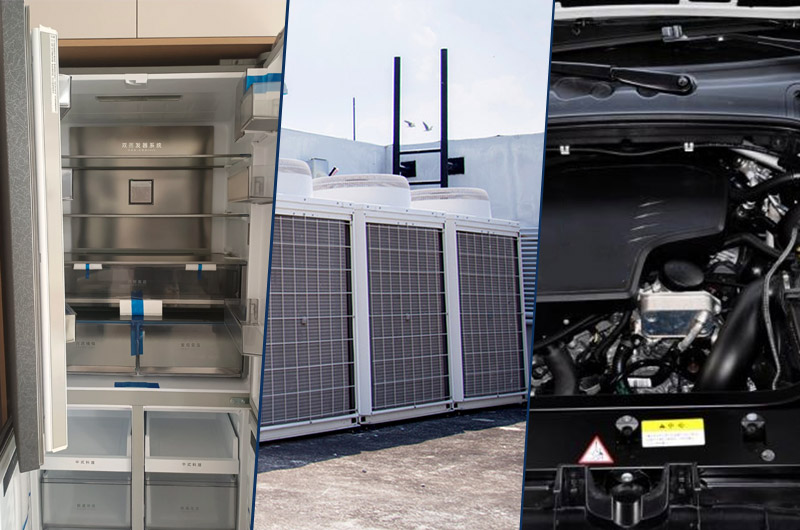
Used in Air Conditioners, Refrigerators & Automotive Cooling
Hydrophilic Aluminum Foil (also known as Hydrophilic Fin Stock) is the specialized raw material used to manufacture fins for heat exchangers in air conditioners, refrigerators, and automotive cooling systems.
It consists of an aluminum alloy substrate (typically 8011 or 3102) coated with a multi-layer system: a corrosion-resistant base coat and a hydrophilic top coat.
Key Benefit
Solves "Water Bridging" Issue
Improves efficiency by 5%–15%
The "Anti-Water Bridge" Mechanism
Understanding the physics of condensation inside an AC unit
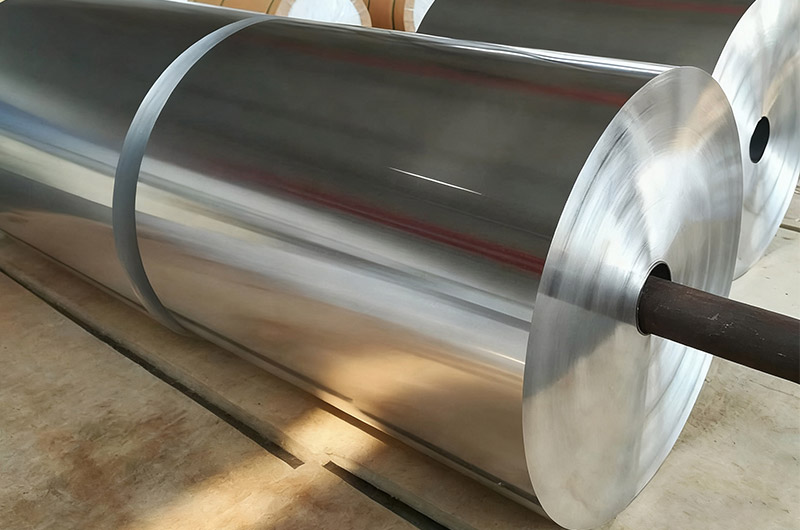
Bare Foil
On standard aluminum, condensed water forms spherical beads due to high surface tension.
- Water bridges narrow gaps between fins
- Blocks airflow, increases noise
- Forces compressor to work harder
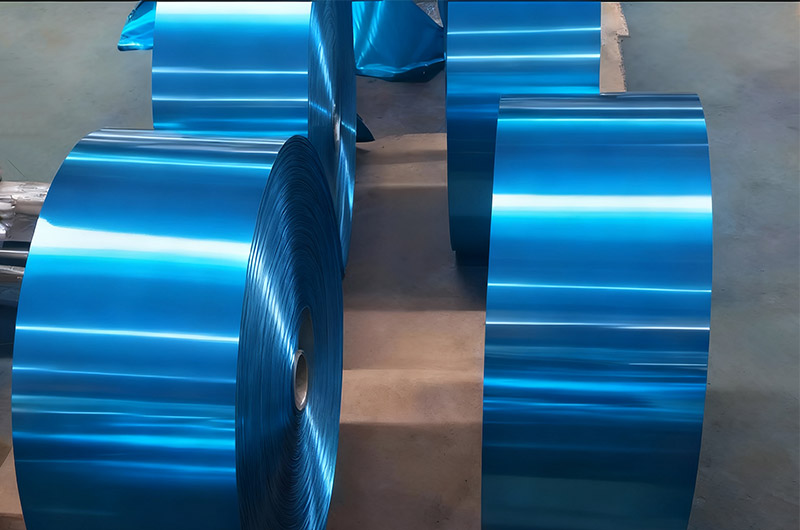
Hydrophilic Foil
The coating drastically reduces the surface tension, allowing water to spread instantly.
- Water spreads into thin film & flows off
- Keeps air channels open
- Prevents ice build-up in winter
Contact Angle Explained
The angle at which a water droplet meets the surface. Lower angle = better hydrophilicity = faster water drainage. This is the key performance metric.
Technical Specifications
Data adheres to international standards ASTM B479 and YS/T 95.2

Industrial Grade Quality
Our aluminum foil meets the strictest international manufacturing standards
Common Alloys and Applications
| Alloy | Temper | Thickness | Application |
|---|---|---|---|
| 8011 | H22/H24 | 0.095–0.15mm | Residential AC |
| 3102 | H26 | 0.10–0.20mm | Commercial/Auto |
| 8006 | H24/H26 | 0.10–0.16mm | High-End HVAC |
| 1100/1200 | H22/H24 | 0.09–0.15mm | Refrigeration |
Mechanical Properties
| Alloy-Temper | Tensile Strength | Elongation | Cupping |
|---|---|---|---|
| 8011-H22 | 110–130 MPa | ≥ 18% | ≥ 6.0mm |
| 8011-H24 | 120–140 MPa | ≥ 15% | ≥ 5.5mm |
| 3102-H26 | 130–150 MPa | ≥ 15% | ≥ 5.2mm |
Blue vs. Gold Hydrophilic Foil
The color represents the coating formulation and performance level
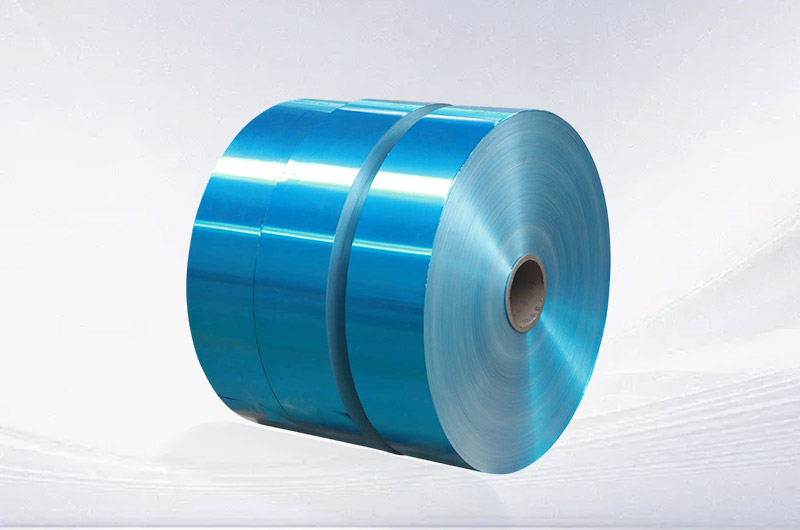
Blue Hydrophilic Foil
Acrylic / Hydrophilic Resin
- Salt Spray Test (NSS) ≥ 500 Hours
- Corrosion Resistance Standard
- Heat Exchange Boost +5% ~ 8%
- Cost Economic
Best For: Household AC, Dry Areas
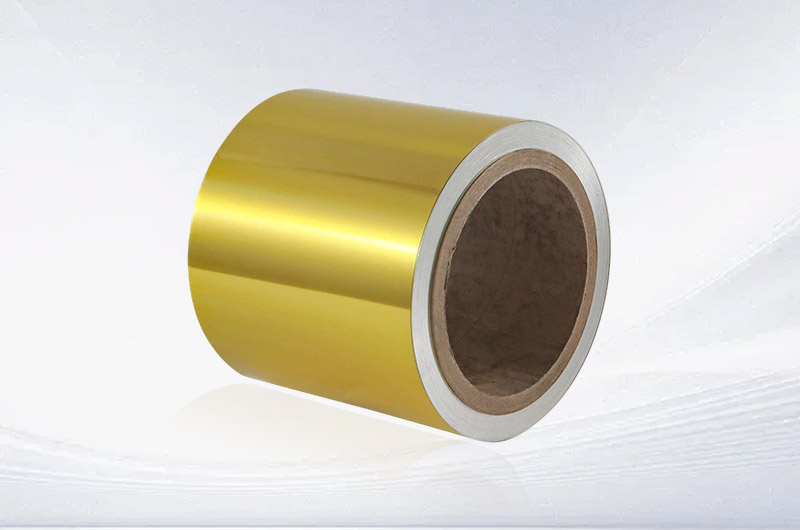
Gold Hydrophilic Foil
Epoxy / Phenolic + Hydrophilic
- Salt Spray Test (NSS) ≥ 1500 Hours
- Corrosion Resistance Excellent
- Heat Exchange Boost +10% ~ 12%
- Cost Premium
Best For: Coastal Areas, Heavy Industry, High-End Models
Hydrophilicity
- Initial: ≤10° (spreads immediately)
- Durability: ≤25° (after 500 cycles)
- Fail threshold: >50°
Adhesion
- Cupping Test: 5mm, no peeling
- Solvent Resistance: 3 mins in 20% NaOH
- Essential for stamping oil cleaning
Coating Thickness
- Single side: 1.0 to 3.0 μm
- Double-coat, double-bake standard
- Ensures durability & performance
Why Switch to Hydrophilic Foil?
For AC Manufacturers switching from Bare Foil

Efficiency Gains
Increases system EER by reducing air resistance
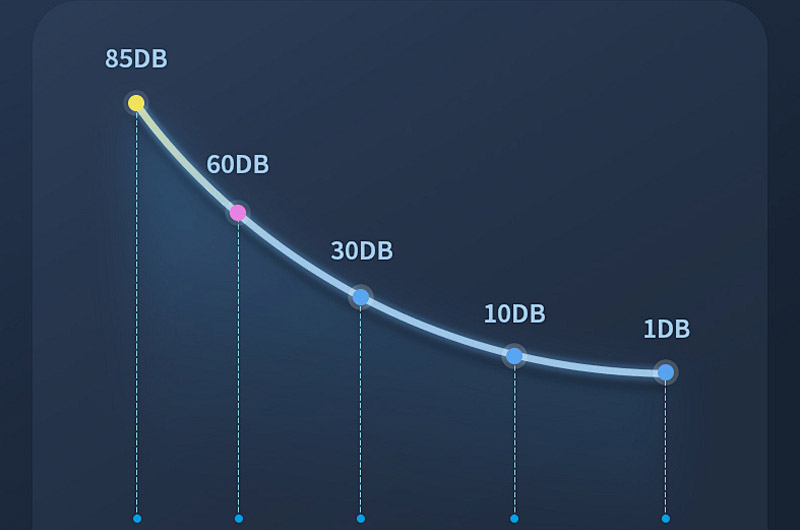
Noise Reduction
Minimizes "gurgling" sounds & wind noise from water blockages
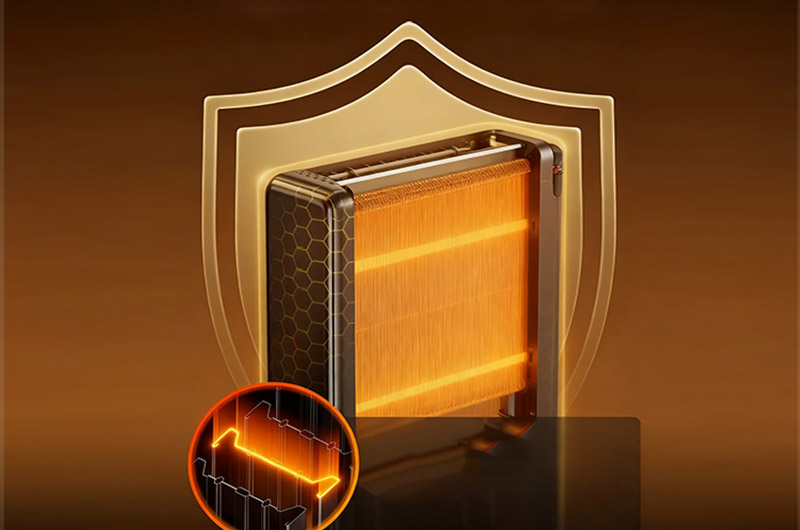
Extended Lifespan
Anti-corrosion layer extends heat exchanger life by 3-10 years
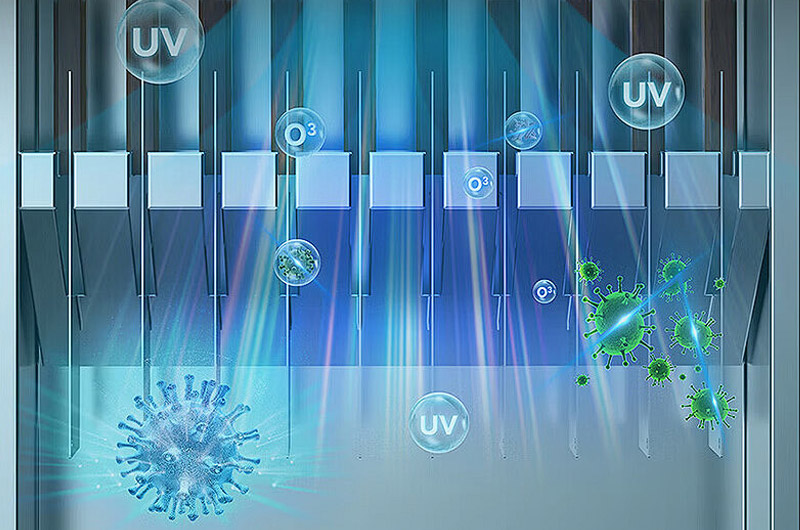
Anti-Mold/Odor
Antimicrobial agents prevent bacterial "sour sock" smell
FAQ & Troubleshooting
Cause: This is usually due to residual hydrophilic monomers (Acrylic) that weren't fully cured during foil production, or residue from the stamping oil used during fin manufacturing.
Solution:
- Manufacturing: Ensure the baking temperature is strictly controlled
- Post-Install: Run the unit in "Fan Mode" or high-temp self-cleaning mode for 24-48 hours
No coating lasts forever. Dust and oxidation will eventually increase the contact angle. However, high-quality "Double-Coat, Double-Bake" foil (Blue or Gold) is designed to maintain a contact angle below 25° for at least 5-7 years.
Yes, but it may be over-engineering. Gold foil is best justified in coastal (salty air) or highly polluted environments where standard Blue foil might degrade faster.
Yes. This is the standard for high-durability foil. It ensures a dense anti-corrosion layer (Base Coat) and a stable Hydrophilic layer (Top Coat).
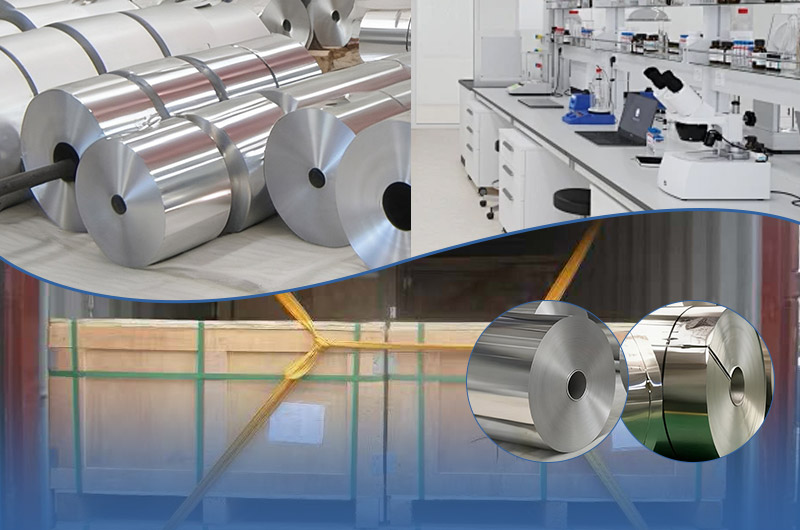
We use "Eye-to-Sky" (Vertical) or "Eye-to-Wall" (Horizontal) packaging on fumigated wooden pallets. Each coil is wrapped in plastic with desiccants to prevent moisture ingress during sea freight.
Ready to Order?
Use our checklist to ensure you get the right specification for your needs.
Procurement Checklist
Alloy Selection
Confirm 8011 for residential or 3102 for commercial applications
Dimensions & Core
Specify Core ID (Steel core, typically 152mm)
Performance Verification
Request TDS to verify Salt Spray Hours (≥500h or ≥1500h)
Sample Quality Test
Request a sample to ensure no strong chemical odor at room temperature
Packaging Standards
Ensure "Eye-to-Sky" or "Eye-to-Wall" with moisture protection