


The Comprehensive Guide to Aluminum Fin Stock
In the fields of HVAC (Heating, Ventilation, and Air Conditioning) and automotive thermal management, efficiency is king. At the heart of every high-performance condenser and evaporator lies a critical component: Aluminum Fin Stock.
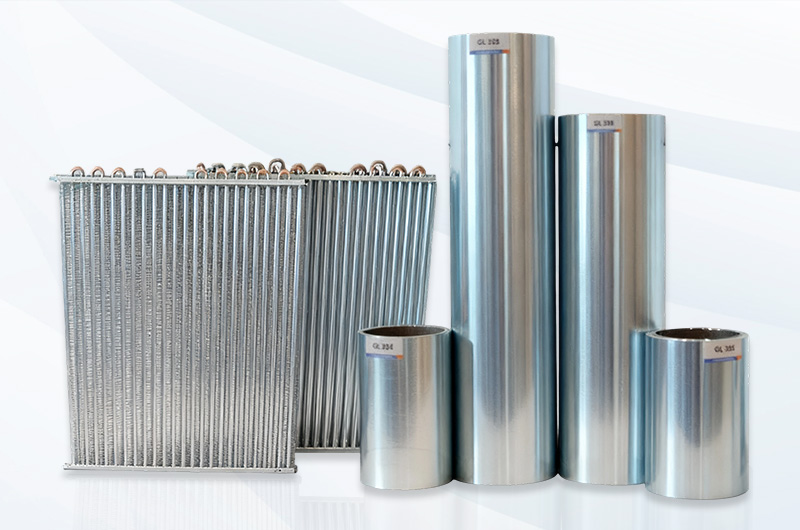
As the industry accelerates the transition from copper to aluminum, mastering the selection and processing of aluminum fin stock has become an essential skill for global manufacturers.
Why the Shift from Copper to Aluminum is Unstoppable
China produces over 220 million air conditioning units annually. In such a high-volume market, even minor savings in material costs can create a massive competitive advantage.
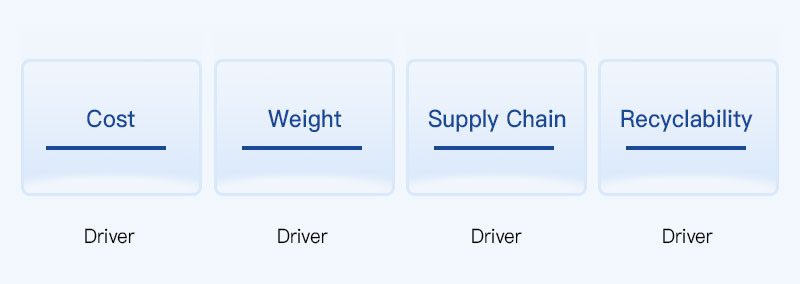
| Driver | Impact |
|---|---|
| Cost | Aluminum prices are only 1/3 to 1/4 that of copper. |
| Weight | The density of aluminum is only 30% that of copper. |
| Supply Chain | Reduces dependency on copper imports. |
| Recyclability | All-aluminum units are easier to recycle. |
The industry transition is gaining momentum: Mainstream brands like Haier, Midea, Hisense, TCL, AUX, and Xiaomi have joined aluminum application research initiatives, and relevant manufacturing and reliability standards are currently being formulated.
What is Aluminum Fin Stock?
Aluminum fin stock is a specialized aluminum coil used to manufacture the fins of heat exchangers. These fins significantly increase the surface area available for heat transfer between the refrigerant and the ambient air.
Common Alloys
| Alloy Model | Core Properties | Typical Application |
|---|---|---|
| 1050/1060 | High thermal conductivity, excellent formability | Standard HVAC units |
| 1100 | Good corrosion resistance | General purpose |
| 3003 | Higher strength (Mn added) | Brazing applications |
| 8011 | Excellent deep drawing performance | Complex geometric shapes |
Thickness typically ranges from 0.08mm to 0.15mm, requiring precision rolling to adapt to high-speed stamping and forming processes.
Surface Coating Selection Guide
Surface coatings optimize the performance of aluminum fin stock based on specific operating conditions:
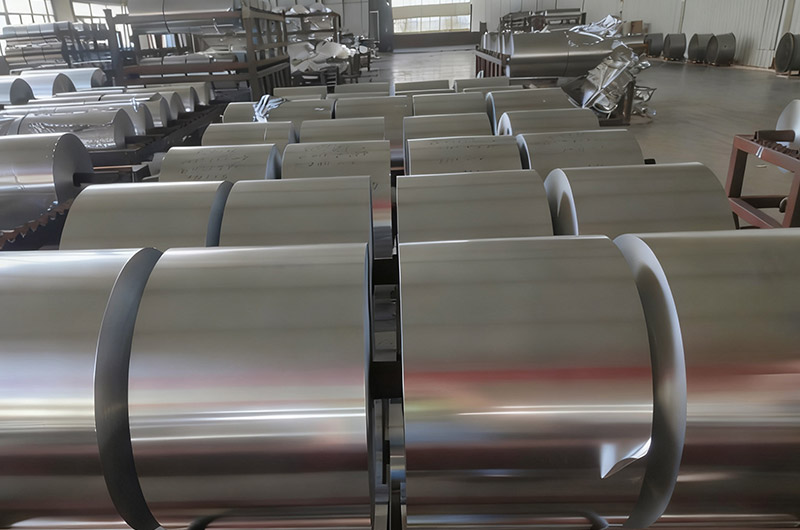
Bare Aluminum Fin Stock
- Features: Uncoated, lowest cost
- Applications: Dry conditions only, cost-sensitive applications
- Limitations: Prone to oxidation in humid environments, poor performance in wet conditions
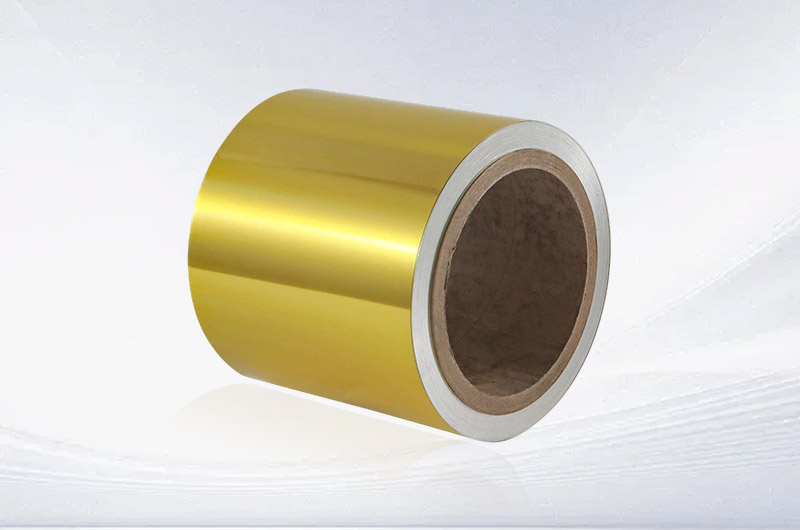
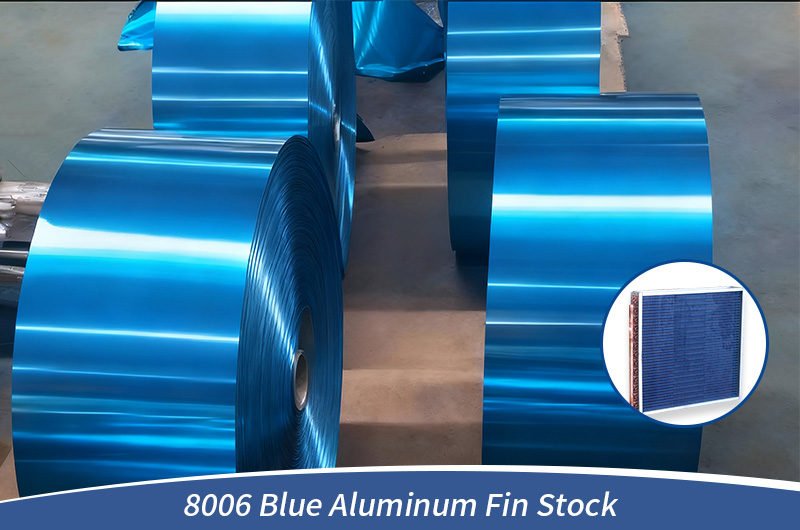
Hydrophilic Aluminum Fin
- Features: Water contact angle <10°, water spreads in a thin film
- Performance: Reduced wet pressure drop by 40-50%, increased heat exchange efficiency by 2-3%
- Applications: Air conditioners, dehumidifiers, evaporators
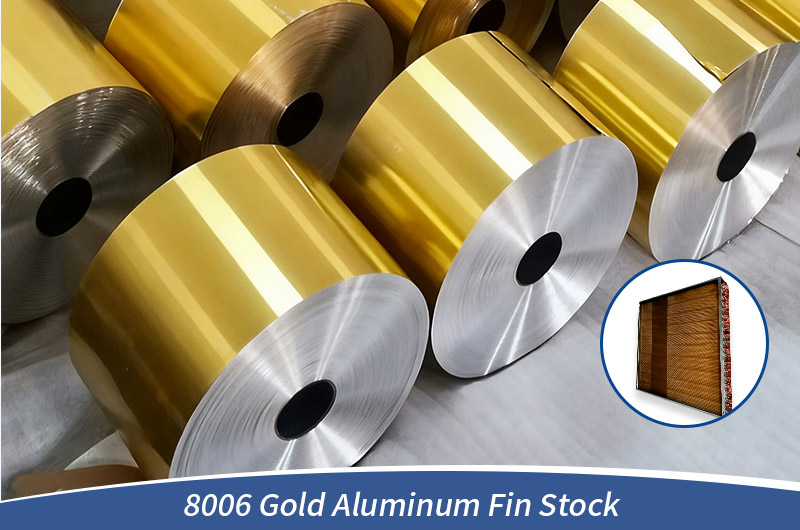
- Available Colors: Blue, Gold, Transparent
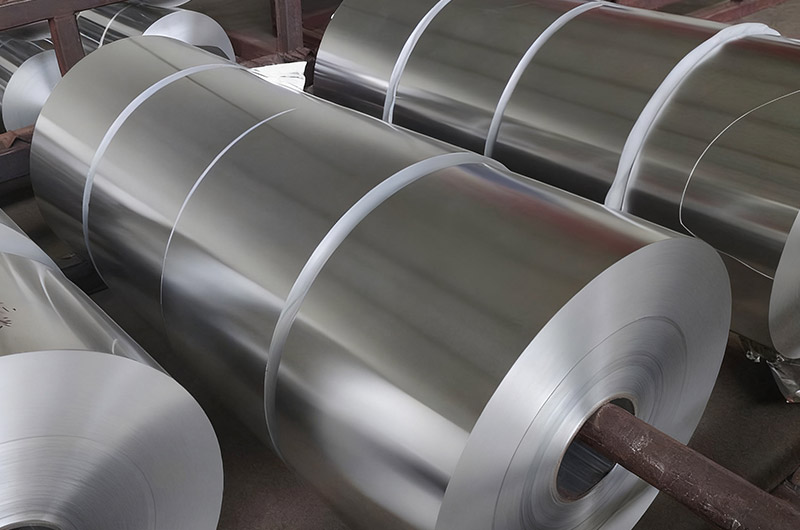
Hydrophobic Aluminum Foil
- Features: Water-repellent surface; water rolls off in beads.
- Performance: Excellent anti-icing and anti-frosting effects.
- Application: Heat pumps, freezers, cold storage, low-temperature environments.
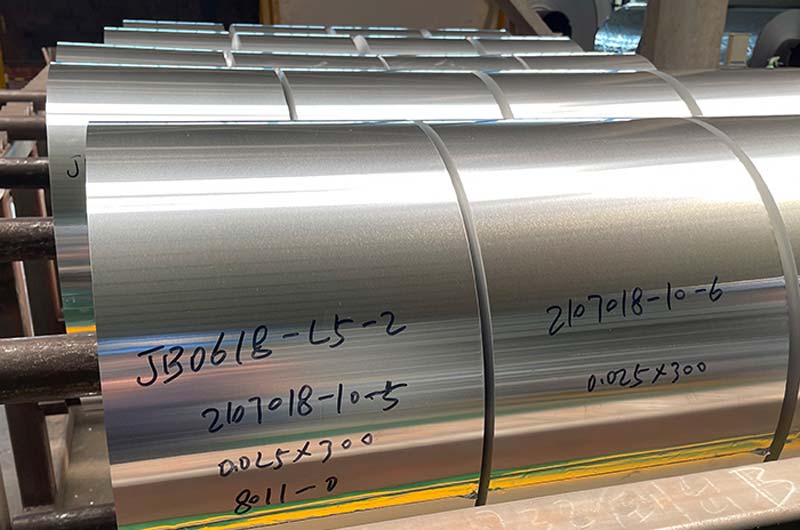
Epoxy Anti-Corrosion Fin Stock
- Features: Coating thickness 0.6-2μm, salt spray resistance >1000 hours
- Performance: Strong resistance to corrosion in harsh environments
- Applications: Coastal installations, marine HVAC, industrial/ Chemical Environment
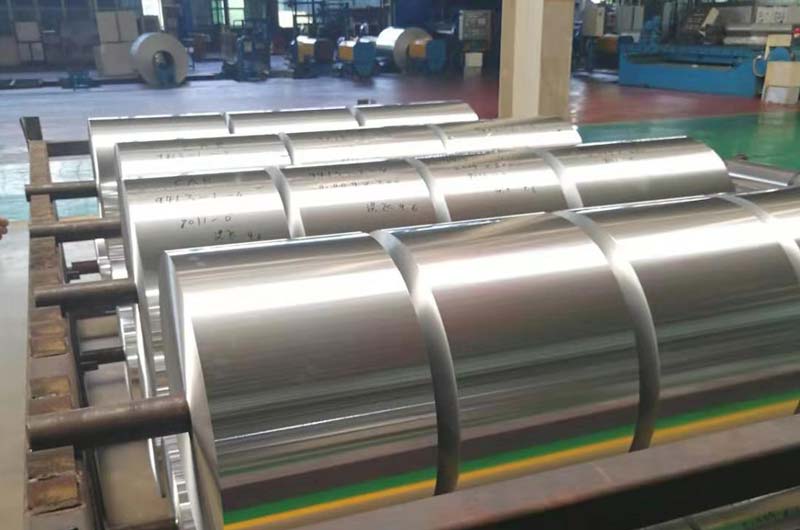
Antibacterial Aluminum Fin Stock
- Features: Silver ion technology; antibacterial rate of 99%.
- Performance: Continuous antibacterial action throughout the product lifecycle.
- Application: Hospital HVAC, pharmaceutical plants, food processing facilities.
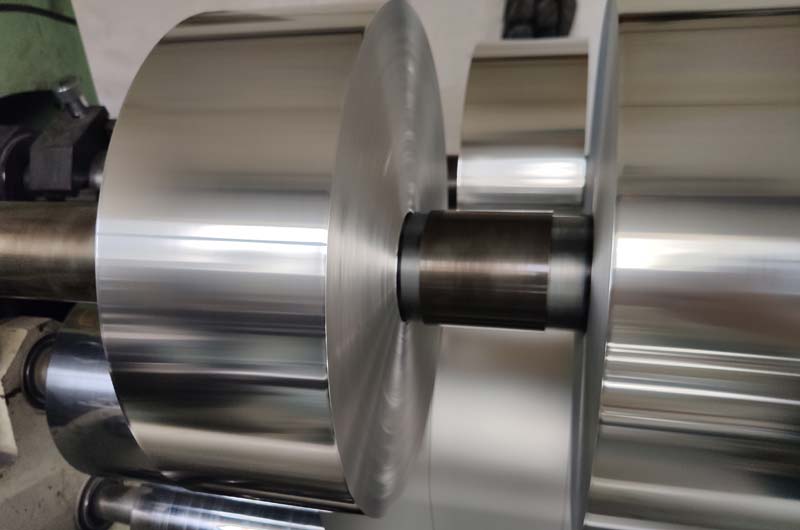
Self-Lubricating Fin Stock
- Features: Pre-coated with a lubrication layer; no stamping oil needed.
- Performance: No post-stamping washing required; shortens production cycles.
- Application: High-speed stamping lines seeking to eliminate washing/drying steps.
Aluminum Fin Stock Coating Comparison
| Coating Type | Core Advantage | Main Application |
|---|---|---|
| Bare Aluminum | Lowest Cost | Dry conditions only |
| Hydrophilic | Optimized Water Management | AC, Dehumidifiers |
| Hydrophobic | Anti-Ice / Anti-Frost | Heat Pumps, Freezers |
| Epoxy Anti-Corrosion | Salt Spray Resistance | Coastal, Marine |
| Anti-Bacterial | 99% Bacterial Inhibition | Hospitals, Food Processing |
| Self-Lubricating | No Washing Needed | High-Speed Production |
Worthwill provides a full range of coated and bare aluminum fin stock, precisely matched to your application needs.
Fin Geometry: Choosing the Right Design
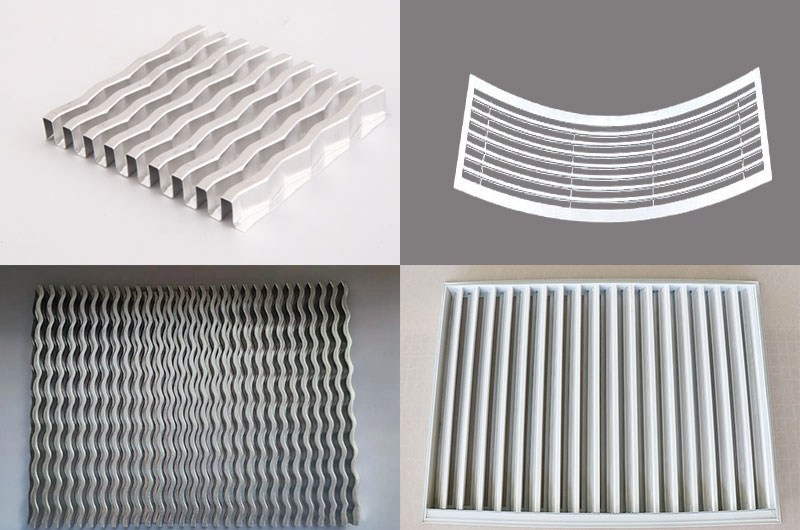
Different fin shapes involve trade-offs between efficiency and pressure drop:
| Fin Type | Heat Exchange Efficiency (vs. Flat Fin) | Pressure Drop (vs. Flat Fin) |
|---|---|---|
| Corrugated (Wavy) | 1.14x | 1.18x |
| Corrugated Folded | 1.27x | 1.24x |
| Rectangular Louver | 1.80x | 1.90x |
| Arc Louver | 2.36x | 2.70x |
Note: Data tested at a frontal air velocity of 2.5 m/s.
Key Insight: While Arc Louver fins offer nearly double the efficiency of corrugated fins, their tight geometric structure is susceptible to clogging from moisture or frost. Therefore, they must be paired with Hydrophilic or Hydrophobic coatings depending on the operating condition.
Core Selection Factors
Fin Height
Due to aluminum's excellent thermal conductivity (237 W/m·K), fin height can reach 22-25mm (compared to only 15mm for steel) while maintaining good heat transfer efficiency.
Fin Pitch (Spacing)
- Dusty Environments: ≥10mm
- Standard HVAC: ~8mm
- Clean Air: 4-6mm
Coating Selection by Condition
- Dry Only: Bare Aluminum
- Cooling/Dehumidifying: Hydrophilic Coating
- Low Temp/Freezing: Hydrophobic Coating
- Corrosive Environment: Epoxy Anti-Corrosion Coating
- Medical/Food Industry: Anti-Bacterial Coating
- Mass Production: Self-Lubricating Coating
New Refrigerant Compatibility
With the adoption of new refrigerants like R32, R410A, and R290, it is crucial to ensure that the fin stock and its coating have passed system compatibility tests.
Manufacturing Process: Material Quality Determines Success
Low-quality aluminum material can trigger a chain reaction of production issues:
| Problem | Cause | Consequence |
|---|---|---|
| Cracking | Incorrect Elongation | Increased scrap, die/mold damage |
| Burrs | Poor Surface Quality | Assembly failures |
| Oil Residue | Incomplete Volatilization | Welding defects, odors |
| Unstable Dimensions | Poor Performance Consistency | Non-compliant products |
The Worthwill Advantage:
- Precise Elongation Control: Prevents cracking during stamping.
- Clean Surface: Volatilizes completely under 140°C+ drying conditions.
- Strict Thickness Tolerance: Extends the lifespan of your stamping dies.
- Self-Lubricating Series: Eliminates the need for a washing process.
Choose Worthwill as Your Partner
As a manufacturer dedicated to aluminum materials, Worthwill offers a complete Aluminum Fin Stock solution:
Product Series:
- Bare Fin Stock: Alloys 1050, 1060, 1100, 3003, 8011.
- Hydrophilic Foil: Blue, Gold, and Transparent coatings.
- Hydrophobic Foil: Anti-ice and anti-frost performance.
- Epoxy Coated: Salt spray resistance >1000 hours.
- Anti-Bacterial: Silver ion technology.
- Self-Lubricating: Pre-lubricated for high-speed stamping.
Why Manufacturers Choose Us:

- Full Range Coverage: Meeting Coating Needs for Various Applications
- Stable Quality: Strict Tolerances, Low Scrap Rate
- Technical Support: Providing Targeted Material Selection Advice
- Cost-Effectiveness: High-Efficiency Production, Controllable Costs
Frequently Asked Questions (FAQ)
Q: What is the difference between blue and gold hydrophilic foil stock?
A: Blue is the standard hydrophilic coating; gold usually refers to an epoxy coating (gold fins), which has better corrosion resistance and is suitable for coastal areas with high salt spray.
Q: Why Choose Self-Lubricating aluminum fin stock?
A: Simplified Production Process—No need to apply stamping oil, no need to clean after stamping, saving time and costs, while reducing environmental pressure.
Q: Can you provide aluminum foil for microchannel heat exchangers?
A: Yes, we supply high-quality composite materials and 3003 alloy, specifically designed for microchannel and brazing applications.
Conclusion
the transition from copper to aluminum in heat exchangers is accelerating. Choosing the right fin material (including alloys and surface coatings) directly impacts product performance, durability, and market competitiveness.
From bare aluminum fin stock to high-end antibacterial and self-lubricating coatings fin stock, the right material selection can make your product stand out.