


Complete Guide to 6101 Aluminum Busbar
Introduction: Engineering Principles of Aluminum Busbars
6101 aluminum alloy represents an outstanding achievement in materials engineering, combining the high electrical conductivity of pure aluminum with the mechanical strength required for demanding electrical applications. As power systems evolve toward higher efficiency and renewable energy integration, a thorough understanding of 6101 aluminum alloy technology has become essential for engineers and material specifiers.
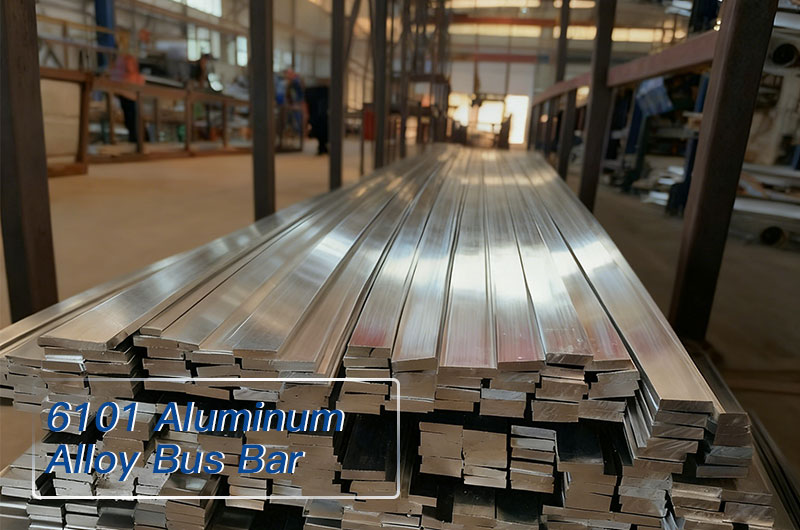
This guide provides an in-depth exploration of the metallurgical foundations, manufacturing processes, and quality control essentials for premium 6101 aluminum alloy bus bars. Drawing on the latest research in Al-Mg-Si conductive alloys, it offers practical guidance for material selection decisions.
This is highly technical content. Click on 6101 Aluminum Busbar for detailed product information.
Part 1: Metallurgical Principles of 6101 Aluminum Alloy
The Aluminum-Magnesium-Silicon Alloy System
6101 aluminum alloy belongs to the 6000 series, primarily strengthened through magnesium silicide (Mg₂Si) precipitation. It offers the following core advantages:
- Heat Treatability: Strength enhancement through solution treatment and aging
- Formability: Suitable for extrusion, bending, and other fabrication processes
- Conductivity-Strength Balance: Precisely optimized for electrical applications
Chemical Composition
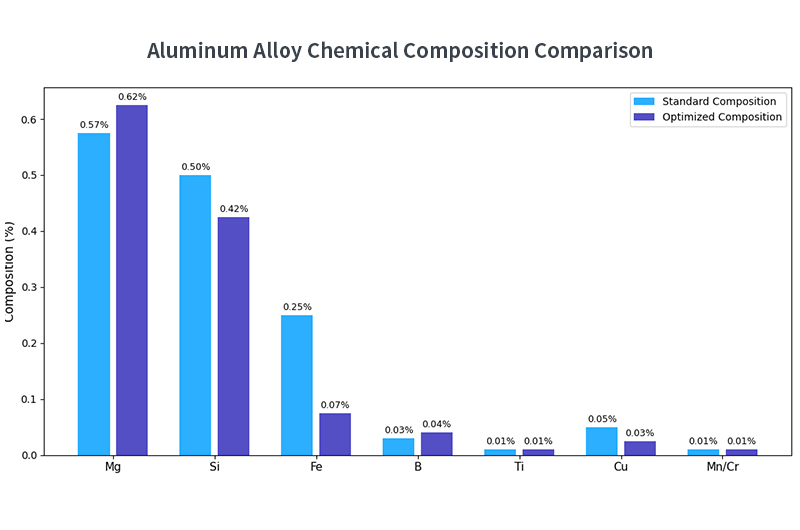
The superior properties of 6101 aluminum alloy depend on the precise control of the proportion of key elements such as magnesium and silicon, as well as the content of impurities such as iron, manganese and chromium.
The Critical Role of Boron
Boron is an often-overlooked key element in electrical-grade aluminum alloys. Transition metals such as titanium, vanadium, manganese, and chromium dissolve in the aluminum matrix at room temperature, causing significant electron scattering and reducing conductivity. Boron reacts with these impurities to form insoluble borides, precipitating them from solid solution and eliminating their negative impact on conductivity.
Effect: Optimizing boron content to 0.03%-0.05% can improve conductivity by 0.2-0.3% IACS (International Annealed Copper Standard).
The Strength-Conductivity Trade-off
The core challenge in developing 6101 aluminum alloy lies in the inverse relationship between strength and conductivity. Material resistivity is determined by the combined effects of matrix scattering, solid solution scattering, precipitate scattering, dislocation scattering, and grain boundary scattering.
- T6 Temper (Peak Aged): Maximum strength achieved; relatively lower conductivity at 55-57% IACS
- T61 Temper (Underaged): Higher conductivity ≥59% IACS; moderate strength level
Precipitation Sequence: Supersaturated Solid Solution → Guinier-Preston (GP) Zones → β'' Phase (Primary Strengthening Phase) → β' Phase → β Phase (Mg₂Si, Optimal Conductivity)
The β'' phase provides maximum strength, but residual solute atoms in the matrix still impair conductivity, necessitating a balance between strength and conductivity.
Magnesium-Silicon Ratio Optimization
The stoichiometric ratio for Mg₂Si is 1.73.
- Mg/Si Ratio < 1.73 (Excess Silicon): Faster aging kinetics, higher material strength
- Optimal Ratio for 6101: Mg/Si ratio controlled at approximately 1.4 (slight silicon excess), with total Mg₂Si content of 1.00%-1.10%, achieving the best balance between strength and conductivity
Part 2: Manufacturing Process Technology
Production Process Flow
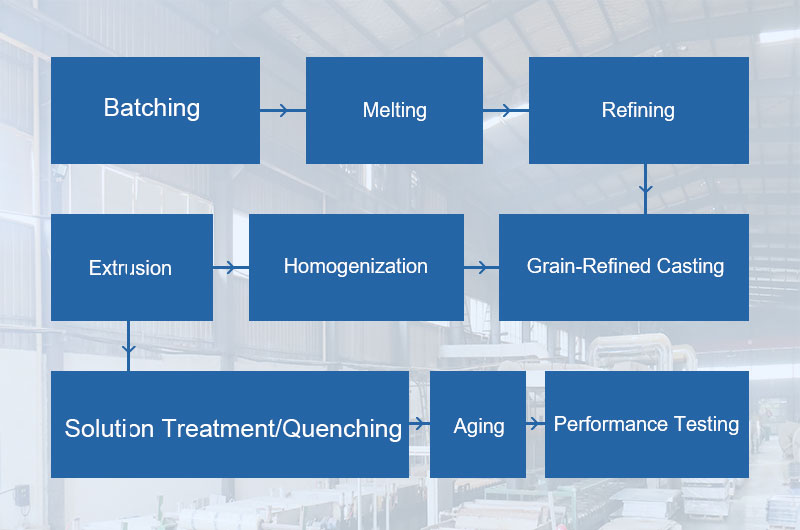
Batching → Melting → Refining → Grain-Refined Casting → Homogenization → Extrusion → Solution Treatment/Quenching → Aging → Performance Testing
Melt Purification
Impurities are the enemy of conductivity. Advanced melt purification processes (argon injection, rotary degassing, ceramic filtration) must be employed to achieve the following targets:
- Hydrogen content < 0.12 mL/100g aluminum
- Inclusion removal rate > 99%
Effect: Proper melt refining alone can improve conductivity by 0.2-0.3% IACS.
Homogenization and Extrusion
- Homogenization: Hold at 550-565°C for 5-8 hours to fully dissolve coarse intermetallic compounds
- Extrusion: Isothermal extrusion at 480-510°C with extrusion ratio controlled at approximately 20
Note: The effect of extrusion deformation on conductivity is temporary and can be fully recovered through subsequent heat treatment.
Heat Treatment Optimization
Solution treatment requires temperatures above 521°C, followed by rapid quenching (critical for maintaining matrix supersaturation). Aging treatment is the key process determining final material properties, with parameters detailed in the table below:
| Temper | Temperature | Time | Property Characteristics |
| T6 | 200°C | 7-8 hours | Maximum strength |
| T61 | 225°C | 4-5 hours | Maximum conductivity |
| T63 | 210°C | 7-9 hours | Balanced properties |
| T64 | 280°C | 6-7 hours | Overaged condition, excellent conductivity |
Advanced Aging Process (Wind Power Specification): Research shows that aging at 195°C for 6-8 hours achieves optimal comprehensive properties (conductivity approximately 57% IACS, yield strength approximately 210 MPa), with superior stability compared to aging at 190°C or 200°C.
Part 3: Surface Treatment and Defect Prevention
Coating Defect Mechanisms
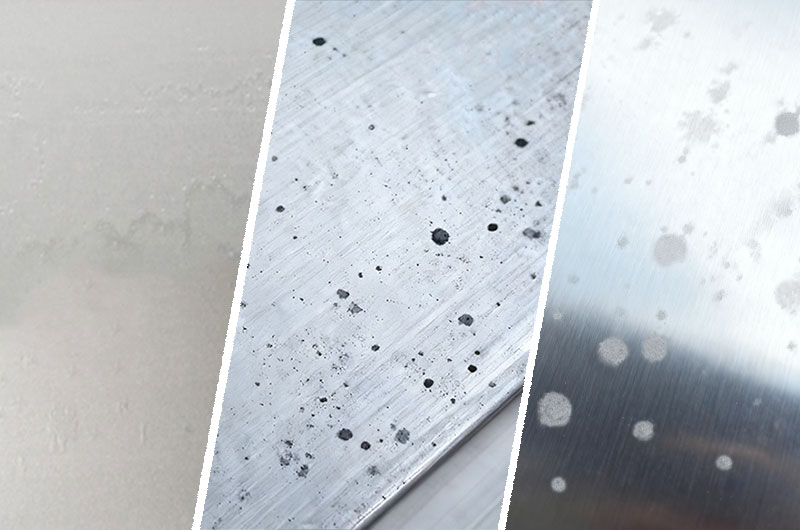
- Peeling/Delamination: Caused by residual oxide film between aluminum substrate and coating (thickness < 1 micron)
- Black Spots: Result from aluminum oxide/silicon impurity contamination during casting
- Gray Spherical Spots: Caused by iron/manganese impurity contamination in plating solution
Critical Process Controls
- Pre-treatment Sequence: Degreasing → Alkaline Etching → Acid Pickling → Double Zincate (this step is crucial)
- Time Control: Minimize the interval between cleaning and plating to prevent substrate re-oxidation
Coating Thickness Specifications
Comparative studies of cyanide and cyanide-free copper plating processes indicate the following thickness requirements:
| Performance Metric | Minimum Copper Thickness | Notes |
| Resistance Stability | ≥3 microns | Below this thickness, resistance fluctuates |
| Porosity Control | ≥5 microns | Ensures porosity < 1/cm² |
| Solderability | ≥5 microns | Particularly critical for cyanide-free copper plating |
| Corrosion Resistance (Salt Spray) | ≥3 microns | Achieves Grade 7 rating |
Recommended Specifications: For harsh environments, copper underlayer thickness should be no less than 5 microns; for standard environments, copper underlayer thickness should be no less than 3 microns, with an additional 5-10 micron tin top layer.
Part 4: Performance Comparison and Selection Guide
6101 Aluminum Alloy vs. Alternative Materials
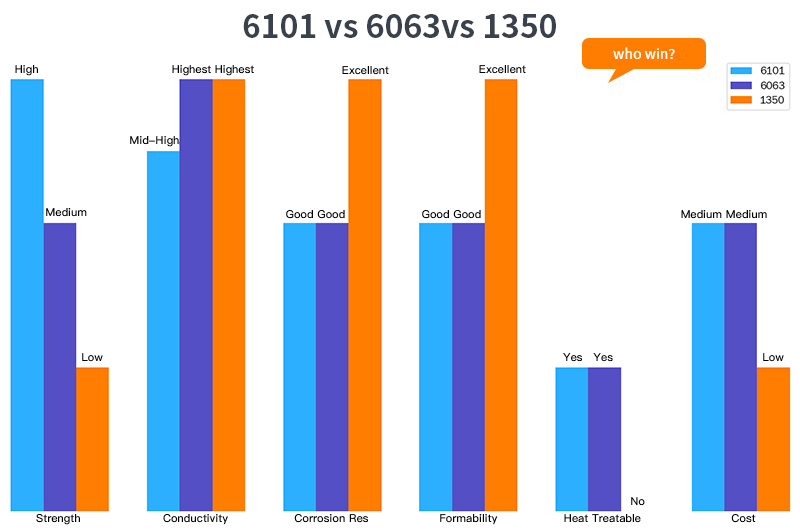
- 6101 Aluminum busbar: High strength, medium-high conductivity, suitable for structural bus bars
- 6063 Aluminum busbar: General-purpose extrusion alloy, lower strength and conductivity than 6101
- 1350 Aluminum busbar: Highest conductivity, lower strength
Engineering Comparison: Aluminum vs. Copper Busbar
Compared with copper, aluminum alloy features a density only 30% that of copper, a cost approximately 1/3 to 1/4 of that of copper, and a conductivity of 55–60% IACS.
Equivalent Temperature Rise Sizing Rules for Aluminum-to-Copper Replacement
Replace copper bus bars with aluminum busbars by widening ~27% (recommended for better heat dissipation) or thickening ~50%, Click the link to view copper-to-aluminum busbar replacement methods
Part 5: Quality Verification and Testing
Standard Test Items
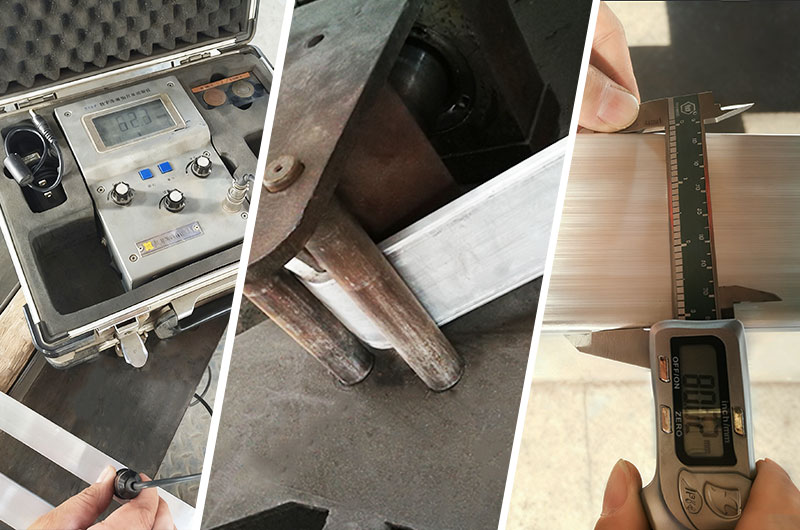
- Conductivity Testing: Per ASTM B193
- Tensile Property Testing: Per ASTM E8/E8M
- Bend Testing: Per ASTM B317 (90° bend, no cracks = pass)
Bend Radius Requirements (Per ASTM B317)
For 6101 aluminum in different heat treatment tempers (T6, T61, T63, T64), it shall comply with the differentiated minimum bending radius requirements based on the corresponding thickness ranges.
Part 6: Future Development Trends
Target: Develop aluminum alloy bus bar materials with strength > 400 MPa and conductivity > 55% IACS
Technical Pathways:
- Microalloying technology (copper/zinc element synergy)
- Machine learning-assisted composition optimization
- Severe plastic deformation processes (e.g., Equal Channel Angular Pressing, ECAP)
Conclusion
6101 Aluminum bus bar is a precision material whose reliability depends on critical factors including magnesium-silicon ratio control, boron treatment, and coating quality.
Key Procurement Considerations:
- Confirm specific temper condition (T6/T61/T63) based on actual mechanical and electrical performance requirements
- Verify that supplier uses double zincate pre-treatment process for plating
- Check product compliance with relevant ASTM standards