


Source Aluminum Busbar Manufacturer
6101 Aluminum Busbar
Trusted for high-performance aluminum busbars. As a specialist manufacturer, we supply premium 6101 electrical-grade busbars with rigorous international standards.
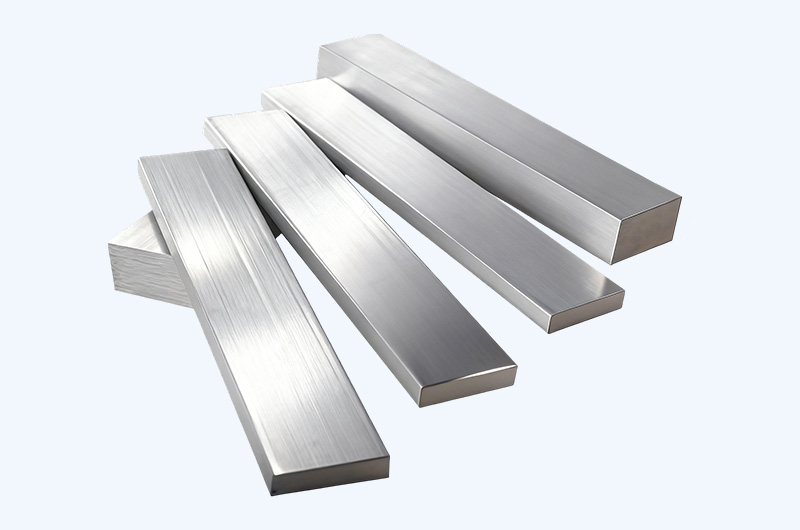
6101 Aluminum Busbar
Trusted by Industry Giants
Why Choose 6101 Aluminum Busbar?
The 6101 alloy belongs to the Aluminum-Magnesium-Silicon (Al-Mg-Si) series, specifically engineered for conductive applications.
55-60% IACS conductivity allowing optimized cross-sectional areas for efficient power transmission.
Density of 2.70 g/cm³ vs Copper's 8.94 g/cm³. Simplifies handling and reduces structural support needs.
Significant savings on raw materials compared to copper without compromising reliability.
Naturally forms a protective oxide layer resisting atmospheric corrosion and harsh environments.
6101 Aluminum Alloy: Composition & Properties
Knowing the precise chemical composition and physical properties of 6101 alloy helps engineers choose the right material for demanding electrical applications.

Material Science
Spectroscopic analysis ensures precise alloy composition.
| Element | Content (%) | Element | Content (%) |
|---|---|---|---|
| Mg | 0.35-0.80 | Si | 0.30-0.70 |
| Fe | ≤ 0.50 | Cu | ≤ 0.10 |
| Mn | ≤ 0.03 | Zn | ≤ 0.10 |
| Boron* | 0.03-0.05 | Al | Rem. |
*Boron added for conductivity optimization.
Mechanical & Electrical (Alloy 6101)
| Temper | % IACS | Yield (MPa) | Application |
|---|---|---|---|
| T6 | 55-57 | ≥172 | High strength |
| T61 | ≥59 | ≥55 | Max conduct. |
| T63 | ≥56 | ≥150 | Balanced |
| T64 | ≥59.5 | ≥55 | Extreme efficiency |
| T65 | ≥58 | ≥140 | Bending |
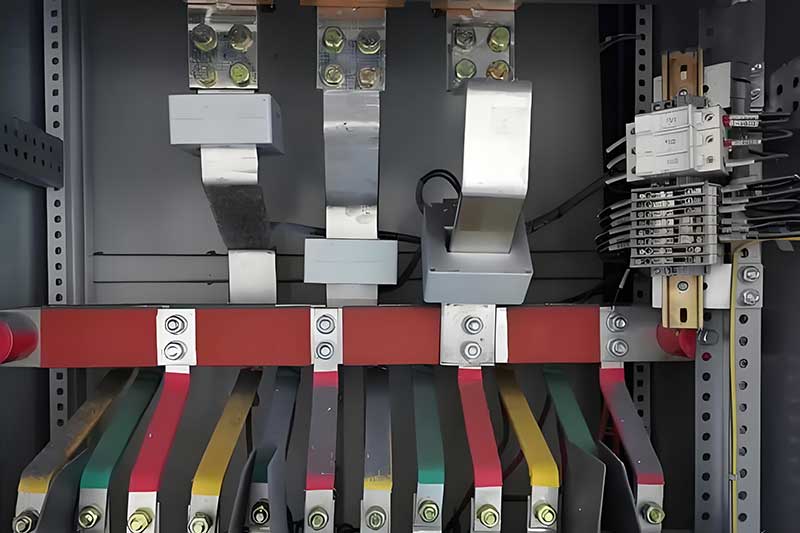
Engineered for Performance
Selected tempers for specific T&D requirements.
6101 vs. Other Electrical Aluminum Alloys
| Alloy | Series | Conductivity (% IACS) | Tensile Strength | Best For |
|---|---|---|---|---|
| 6101 | Al-Mg-Si | 55-60% | Medium-High | Busbars, high-current conductors |
| 1350 (EC) | Pure Al | ≥61% | Low | Cables, wires (low strength OK) |
| 6063 | Al-Mg-Si | 50-55% | Medium | Architectural, heat sinks |
| 6061 | Al-Mg-Si | 40-45% | High | Structural (not electrical) |
Why 6101? It offers the optimal balance of high conductivity and mechanical strength—ideal for busbars that require both efficient current flow and structural integrity.
Specifications & Technical Data
Comprehensive technical specifications for precision engineering requirements.
Busbar Types & Standard Dimensions
| Type | Thickness Range | Width Range | Length |
|---|---|---|---|
| Flat Rectangular | 2 - 250 mm | 5 - 300 mm | Up to 6m |
| Tubular | Wall: 1 - 15 mm | OD: 3 - 250 mm | Up to 18m |
| Round Rod | - | Φ6 - Φ60 mm | Custom |
Advanced Fabrication & Services
Worthwill provides one-stop busbar solutions, with precision cutting and full surface treatments for installation-ready components.
-
Precision Machining
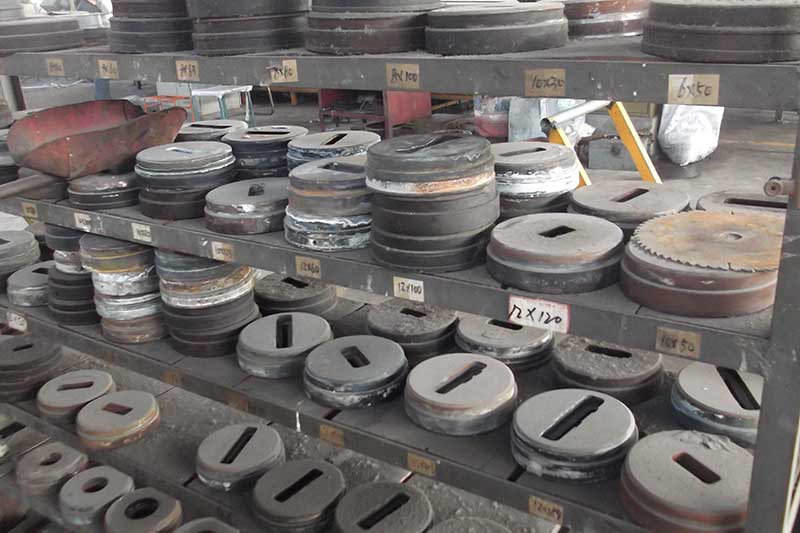
Custom cutting, drilling, punching, and stamping for high-volume production. We handle complex shapes and tight tolerances.
-
Bending & Forming
Expert 90° bending and complex forming without cracking, maintaining structural integrity and electrical performance.
-
Surface Treatments
- Tin Plating
- Silver Plating
- Nickel Plating
- Anodizing
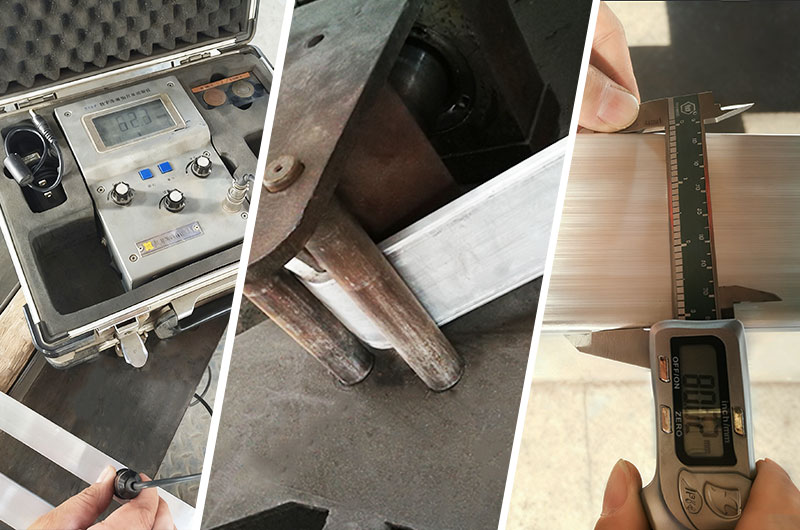
Precision CNC Machining & Plating
6101 Aluminum vs. Copper: Conversion Guide
Replace copper with aluminum: 70% weight savings and significant cost cuts. How to match thermal performance while gaining economic benefits.
Density Comparison (g/cm³)
Relative Material Cost (Per Unit Volume)
Increase Width
Increase the aluminum busbar width by approximately 27%.
Example:
4" x 1/4" Copper 5" x 1/4" Aluminum
Increases surface area for cooling, boosting ampacity by ~87%.
Increase Thickness
Increase the aluminum busbar thickness by approximately 50%.
Example:
4" x 1/4" Copper 4" x 3/8" Aluminum
Increases ampacity by ~45% (Surface area remains largely unchanged).
Industry Applications
Powering critical infrastructure across multiple sectors worldwide.
T&D
Substations, Switchgear, Switchboards, Transformer connections.
Renewable Energy
PV Combiner Boxes, Solar Inverters, Wind Converters, BESS.
E-Mobility
EV Charging (350kW+), Rail Transit, EV Battery Packs.
Data Centers
Motor Control Centers (MCC), PDUs, UPS Systems.
Worthwill Quality Promise
Rigorous testing and superior manufacturing ensure consistent excellence.
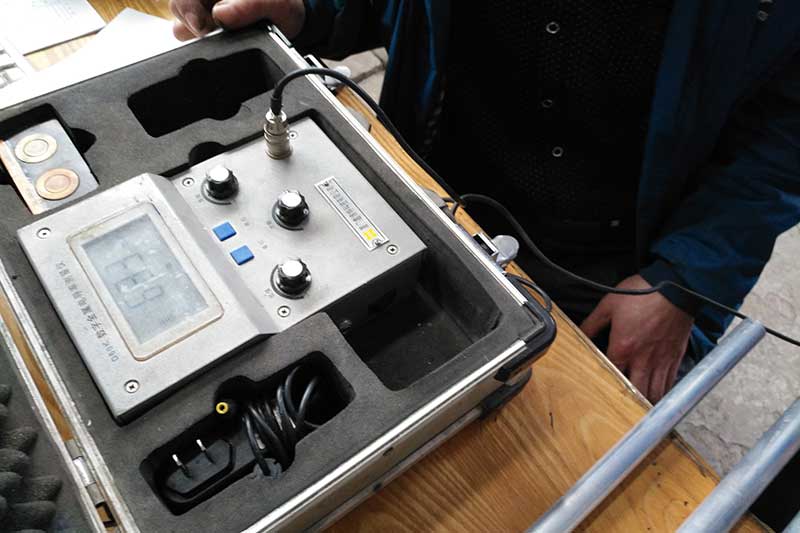
Comprehensive Validation
- Conductivity Testing (% IACS)
- Temperature Rise Testing
- 90° Bend Testing
- Chemical Analysis
Frequently Asked Questions
Common questions about 6101 aluminum busbars and their applications.
The main difference is conductivity and application. 6101-T6 is engineered for electrical use with higher conductivity (55-60% IACS) and better strength-conductivity ratios. 6063 is a structural alloy with lower conductivity (52-55% IACS), used more for architectural extrusion than high-efficiency power distribution.
Direct connection causes galvanic corrosion. Prevent this with bimetallic plates (Cu-Al washers) or transition inserts. Also, use high-quality oxide-inhibiting joint compound during installation for a long-lasting, low-resistance connection.
Yes. Worthwill offers comprehensive fabrication services including CNC cutting, precise hole punching, and bending up to 90° (following minimum bend radius guidelines). We also provide surface treatments like tin, silver, and nickel plating to meet your specific project requirements.
For standard sizes, we maintain inventory for fast delivery with flexible MOQs. Custom dimensions and fabricated busbars typically have a 2-4 week lead time depending on complexity. Contact our sales team for specific availability and expedited options for urgent projects.