


How to Tell Aluminum from Stainless Steel and Other Metals
Whether you are sorting materials at a scrap recycling yard, purchasing raw metal for a factory, or working on a DIY project in your garage, you have likely experienced the confusion of looking at a pile of similar-looking metals and wondering, "What exactly is this?"
That silver-gray metal could be aluminum, stainless steel, a zinc alloy, or nickel. They might look nearly identical, but their value, performance, and applications are worlds apart.
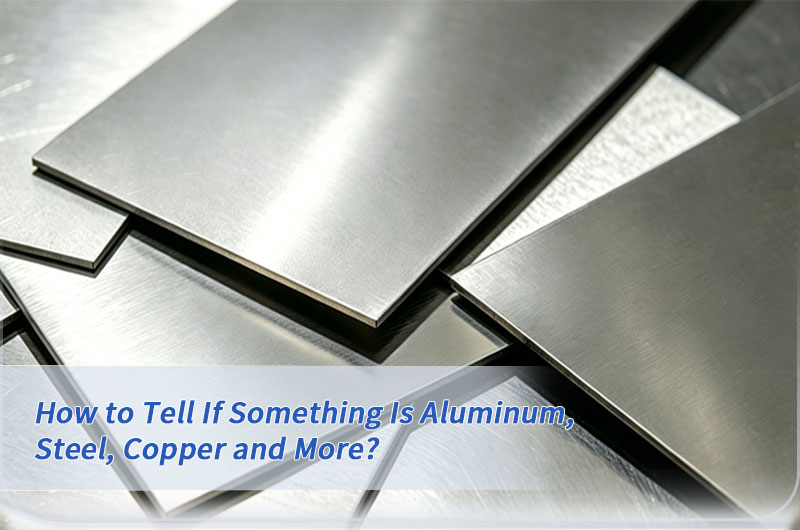
For recycling professionals, misidentifying aluminum as regular steel means a direct loss of profit, as aluminum generally commands a much higher price in the scrap market. For industrial buyers, using the wrong metal can lead to structural failure or corrosion accidents. For DIY enthusiasts, choosing the wrong material not only wastes money but can also ruin the final result of a project.
The goal of this guide is to provide you with a complete, accurate, and actionable metal identification system—ranging from simple visual and magnet tests to professional-grade chemical and instrumental analysis. Covering common metals like aluminum, steel, copper, lead, tin, and zinc, this guide will help you make confident judgments in any scenario.
How to Tell Ferrous vs Non-Ferrous Metal
Before learning how to identify specific metals, you must master the most fundamental classification framework: Ferrous vs. Non-Ferrous metals.
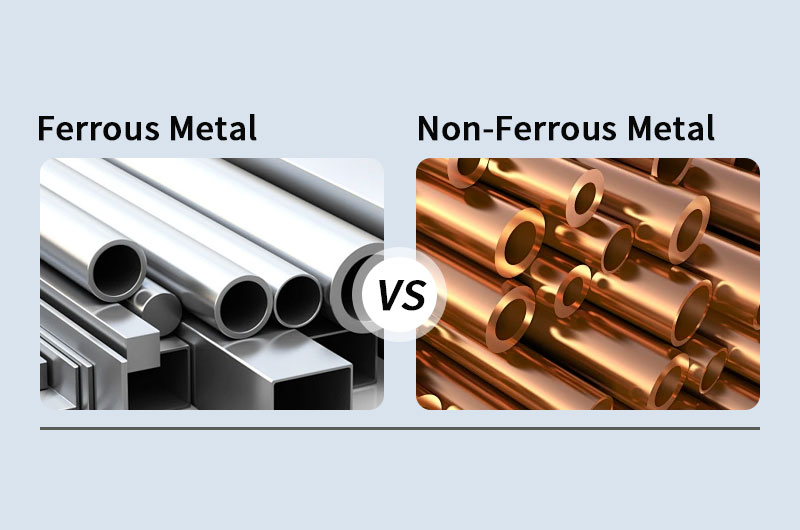
This classification is based on one single factor:whether it contains iron.
Ferrous metals contain iron and are therefore magnetic. Common ferrous metals include:
- Pig iron (cast iron, steelmaking pig iron)
- Carbon steel
- Stainless steel (most grades)
- Various iron alloys (ferrosilicon, ferromanganese, ferrochrome, etc.)
Non-ferrous metals contain no iron (or trace amounts) and are typically non-magnetic. They generally offer better corrosion resistance and are often lighter or more conductive than ferrous metals. Common non-ferrous metals include: aluminum, copper, lead, zinc, tin, nickel, titanium, magnesium, silver, mercury, bismuth, antimony, cobalt, and cadmium.
Why is this distinction so important? Because themagnet testis the fastest and most effective first step in metal identification.
An ordinary fridge magnet is all you need. Bring it close to the unknown metal:
- The magnet sticks firmly:It is almost certainly a ferrous metal (iron or steel).
- No reaction at all:It is a non-ferrous metal (or a few specific grades of stainless steel).
Exceptions to note:
Austenitic stainless steels (like 304 and 316) have very weak or no magnetism in their annealed state, though they may develop slight magnetism after cold working (bending, stamping). Nickel is magnetic below 360°C, even though it is a non-ferrous metal. Therefore, the magnet test is just the starting point—you must combine it with further tests for a comprehensive judgment.
How to Tell If Something Is Aluminum
Aluminum is the most abundant metal element on Earth and one of the most widely used non-ferrous metals in industry and daily life. Aluminum sheets, coils, extrusions, foils, and die-cast parts are everywhere. Accurately identifying aluminum is the cornerstone of any metal identification work.
Basic Physical Properties of Aluminum:
- Density: 2.7 g/cm³
- Melting Point: 660°C
- Mohs Hardness: ~2.75
- Lattice Structure: Face-centered cubic (FCC)
- Conductivity: Excellent
- Magnetic: No
Method 1: Visual Appearance
Aluminum typically has a silver-white to silver-gray color. Freshly cut surfaces are somewhat bright with a metallic luster, but overall, it looks more matte than stainless steel, often with a slight cool (blue-white) undertone.
In the air, aluminum naturally forms a microscopically thin, transparent aluminum oxide layer (about 4-20 nanometers thick). While invisible to the naked eye, this layer is the source of aluminum's corrosion resistance. Aluminum exposed outdoors for long periods will develop a powdery white/gray residue on the surface—this is aluminum oxide, which is completely different from red rust. If you see white powdery corrosion, it is a strong signal for aluminum.
Anodized Aluminum has a thicker oxide layer created through electrochemical processing. It usually has a matte texture and can be dyed in various colors (black, gold, red, etc.). A colored metal with a distinct matte feel that doesn't rust is very likely anodized aluminum.
Method 2: The Magnet Test (Fastest)
Hold a magnet to aluminum—there is zero reaction. Aluminum's magnetic permeability is extremely close to a vacuum (~1.00002), meaning it has no attraction to even the strongest magnets. This is the most direct way to distinguish it from steel.
Method 3: Weight Perception (Density Comparison)
Aluminum's density is only 2.7 g/cm³, whereas:
- Stainless steel: ~7.9-8.0 g/cm³
- Carbon steel: ~7.85 g/cm³
- Copper: ~8.94 g/cm³
- Lead: ~11.34 g/cm³
This means aluminum is about 1/3 the weight of the same volume of steel. If you pick up two similarly sized pieces of metal and one feels surprisingly lightweight, it is highly likely aluminum. This method is incredibly intuitive for larger parts.
Method 4: Scratch/Hardness Test
Aluminum is relatively soft. Dragging an ordinary key across its surface will easily leave a noticeable scratch. Stainless steel will barely scratch, and while carbon steel will scratch, it requires significantly more effort.
How to do it:Find an inconspicuous spot and press hard while dragging a key for about 1 inch. Aluminum will yield a deep, clear scratch that retains a metallic shine inside (it won't rust).
Method 5: Sound Test
Tap the metal surface with a coin or a key:
- Aluminum:A dull, short thud with very little ringing.
- Stainless Steel:A bright, crisp "ping" with noticeable ringing resonance.
- Copper:A deep, rich, resonant sound.
This requires some experience, but it is a highly practical trick for seasoned scrap yard workers.
Method 6: Chemical Test (Advanced Confirmation)
Dilute Hydrochloric Acid (HCl) Test:
Place a few drops of dilute HCl (5%-10%) on a sanded area of the metal. Aluminum reacts quickly, producing vigorous hydrogen gas bubbles:
2Al + 6HCl → 2AlCl₃+ 3H₂↑
Stainless steel reacts very slowly or not at all; copper and silver do not react. If a metal bubbles quickly with HCl, it is likely aluminum or magnesium.
Sodium Hydroxide (NaOH) Test:
Aluminum reacts violently with strong bases, also producing hydrogen gas:
2Al + 2NaOH + 2H₂O→2NaAlO₂+ 3H₂↑
This reaction almost never happens with other common metals, making it highly specific to aluminum.
Note:The oxide layer can slow the reaction. Sanding the surface slightly before testing yields better results.
Method 7: Spark Test (For Professionals)
Hold the metal against a grinding wheel:
- Aluminum:Produces almost no visible sparks.
- Carbon Steel:Produces a shower of bright, orange, forked sparks.
- Stainless Steel:Produces shorter, less frequent bright white sparks.
The lack of sparks is one of the most reliable professional methods to distinguish aluminum from ferrous materials.(Wear safety glasses and gloves, and perform this away from flammables).
Aluminum Identification Quick Reference Table
| Test Method | Aluminum's Reaction | Difficulty |
| Visual Appearance | Cool silver-gray, matte, white oxidation | Low |
| Magnet Test | No reaction at all | Low |
| Weight Test | Very light (1/3 weight of steel) | Low |
| Scratch Test | Scratches easily and deeply | Low |
| Sound Test | Dull, short thud | Medium |
| Dilute HCl Test | Bubbles quickly | Medium |
| NaOH Test | Bubbles violently | Medium |
| Spark Test | No visible sparks | High |
How to Tell If Something Is Aluminum or Stainless Steel
Aluminum and stainless steel are the two most commonly confused metals, especially in kitchenware, architectural extrusions, and industrial equipment. Here is a complete guide to telling them apart.
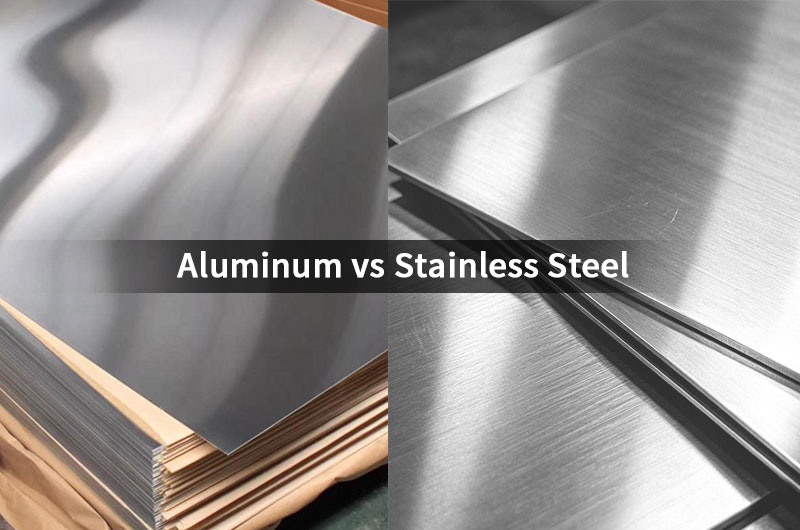
Visual Differences
Examine the metal under natural light:
- Stainless Steel:Generally brighter with a mirror-like finish. The shine is "warmer" (slightly yellowish-silver) and reflects light strongly and evenly, whether brushed or polished.
- Aluminum:The luster is softer, with a cooler (matte silver-gray) tone. Anodized aluminum (like coils or sheets) has a fine texture but lacks the intense shine of stainless steel. Over time, aluminum may show white, powdery oxidation, whereas stainless steel rarely shows visible corrosion.
Weight Differences
This is the most reliable sensory test. Stainless steel is nearly three times heavier than aluminum. A stainless steel plate of the same size will feel noticeably heavy ("hefty"), while aluminum will feel surprisingly light.
In industrial procurement, this weight difference is glaring when dealing with large sheets or coils. An aluminum coil weighs a fraction of a same-sized steel coil, vastly reducing transportation and handling costs—a key reason aluminum is favored in aerospace, automotive, and architectural facades.
Magnet Test
- Aluminum: Zero magnetism.
- Stainless Steel: Most grades (ferritic and martensitic) are magnetic. Austenitic grades (304/316) have very weak magnetism.
Tip:Use a strong neodymium magnet. If there is absolutely no pull, it rules out most steel; a very weak pull suggests 304/316 SS; a strong pull means ferritic SS or carbon steel.
Scratch Test
Aluminum (Mohs 2.75) is much softer than stainless steel (Mohs 5.5-6.5). A key will gouge aluminum easily but will glide over stainless steel, leaving a very shallow mark (if any).
Spark Test
A grinder will produce short white sparks on stainless steel, but no sparks on aluminum.
Sound Test
Tapping stainless steel produces a clear, ringing "ping." Aluminum yields a duller, flatter "thud."
Chemical Test
HCl on a sanded surface: Aluminum bubbles quickly. Stainless steel shows almost no reaction (due to its protective chromium oxide layer).
Aluminum vs. Stainless Steel Quick Comparison
| Feature | Aluminum | Stainless Steel |
| Color & Shine | Cool silver-gray, matte | Bright silver-white, warm, shiny |
| Density (Weight) | 2.7 g/cm³ (Lightweight) | 7.9-8.0 g/cm³ (Heavy) |
| Magnetism | None | Mostly yes (some grades very weak) |
| Scratch Hardness | Easy to scratch | Very hard to scratch |
| Spark Test | No sparks | Short white sparks |
| Acid Reaction | Bubbles quickly | Almost no reaction |
| Corrosion | White powder | Rarely corrodes |
| Sound | Dull thud | Crisp, ringing sound |
How to Tell Different Types of Metal
Beyond aluminum and steel, recyclers and buyers frequently encounter copper, lead, zinc, tin, and various alloys. Here is how to identify them quickly.
Copper (Cu)
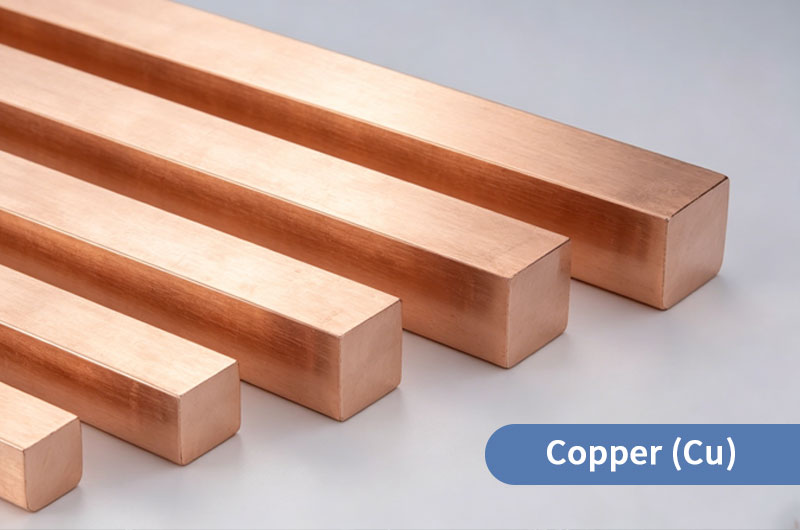
- Density: 8.94 g/cm³ | Melting Point: 1083°C | Magnetic: No
- Appearance:Copper is one of the easiest metals to spot because it isn't silver/gray. Pure copper has a distinct red-orange to pinkish hue (like a brand-new penny). As it oxidizes, it turns brown, and eventually develops a green patina (like the Statue of Liberty).
- Sound:Tapping copper produces a deep, rich, resonant sound, different from the higher-pitched ring of brass.
- Chemical:Copper does not react with dilute HCl but dissolves in nitric acid (a great way to distinguish it chemically from aluminum).
- Common Forms:Pipes, wires, busbars, and bare bright copper wire (which has the highest scrap value).
-
Copper Alloys:
- Brass (Copper + Zinc):Yellow-gold color. Rings brighter than pure copper. Common in instruments, door handles, and valves.
- Bronze (Copper + Tin):Reddish/brown-gold, darker than brass. Often develops a rich patina. Common in sculptures and marine bearings.
- Cupronickel / White Copper (Copper + Nickel):Silver-white, resembles stainless steel or silver. Highly corrosion-resistant. Heavy (8.9 g/cm³).
Lead (Pb)
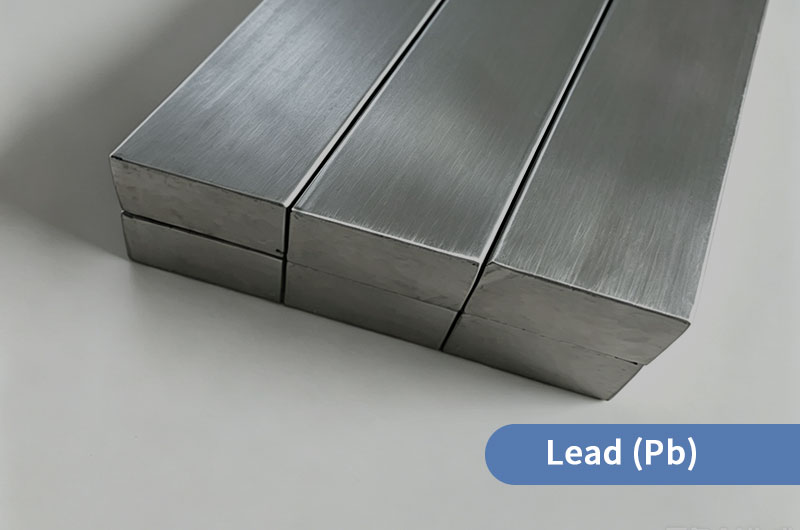
- Density: 11.34 g/cm³ | Melting Point: 327°C | Magnetic: No
- Appearance:Dull blue-gray. Fresh cuts are shiny silver but oxidize to a "dirty" matte gray almost immediately.
- Weight & Hardness:Lead is defined by two extremes: it is incredibly heavy (4x heavier than aluminum) and incredibly soft. You can scratch it deeply with a fingernail or cut it with a pocket knife. Drawing it across paper leaves a gray line (hence the name "lead pencil, " though modern pencils use graphite).
- Warning:Lead is highly toxic. Wear gloves, wash hands thoroughly, and never grind or burn lead.
Zinc (Zn)
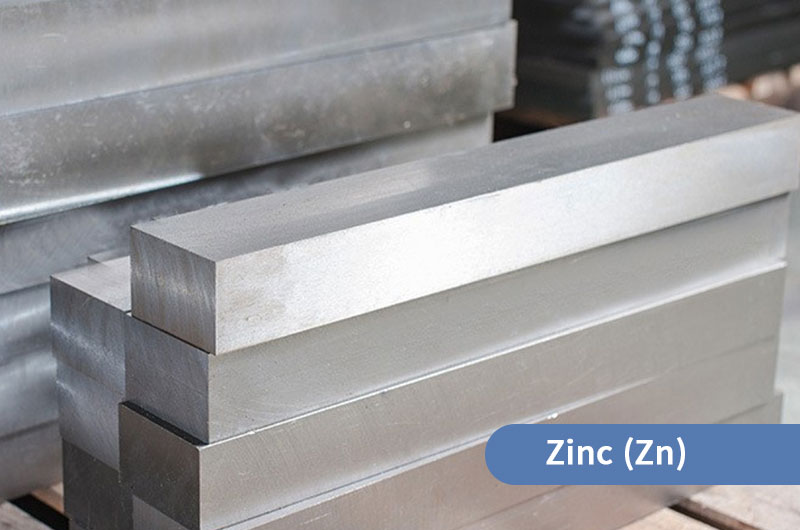
- Density: 7.1 g/cm³ | Melting Point: 419°C | Magnetic: No
- Appearance:White with a faint bluish tint; oxidizes to gray. Hot-dip galvanized steel has a characteristic crystalline pattern known as "spangles"—a dead giveaway for zinc plating.
- Forms:Die-cast zinc alloys (car parts, hardware, vintage toys) and galvanized steel. To tell a zinc die-cast part from an aluminum one, feel the weight: zinc (~6.6 g/cm³) is much heavier than aluminum (~2.7 g/cm³).
Tin (Sn)
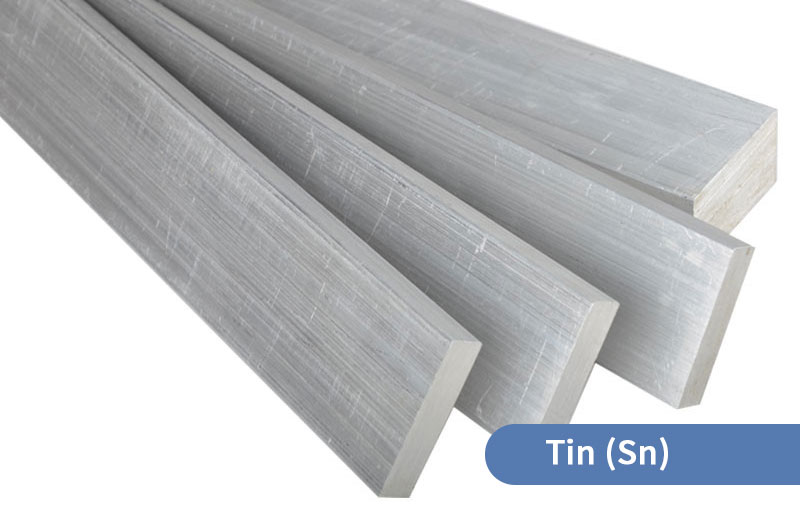
- Density: 7.28 g/cm³ | Melting Point: 232°C | Magnetic: No
- Appearance:Silver-white with a slight blue tinge. Looks somewhat like aluminum but is nearly 3x heavier.
- Vs. Aluminum:Tin is heavier, softer, and has an incredibly low melting point (232°C—you can melt a thin strip of tin with a lighter; aluminum requires 660°C). When dropped, tin makes a very dead, non-bouncing sound.
Nickel (Ni)
- Density: 8.9 g/cm³ | Melting Point: 1455°C | Magnetic: Yes (below 360°C)
- Nickel is silver-white and holds a polish well.
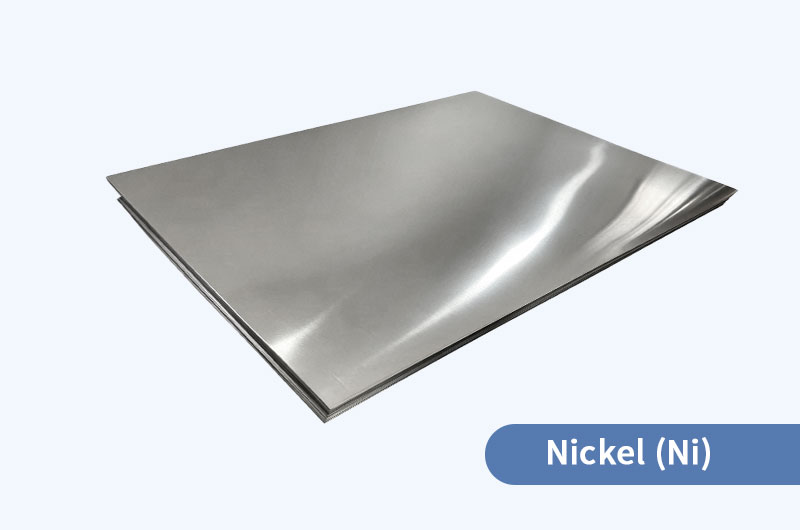
Note:Because it is magnetic at room temperature, the magnet test alone will not separate it from steel. You must combine magnetism with its high density, silvery look, and lack of rust. Accurate identification usually requires an XRF scanner.
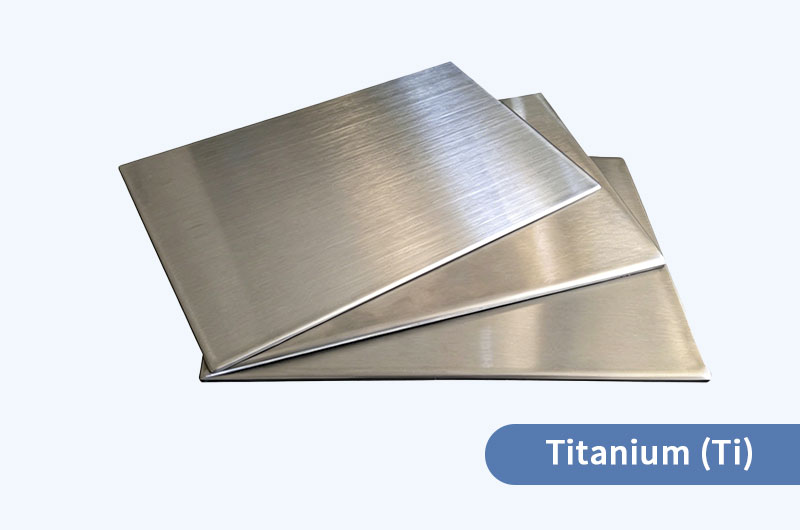
Titanium (Ti)
- Density: 4.5 g/cm³ | Melting Point: 1668°C | Magnetic: No
- A silver-white metal whose weight sits between aluminum (2.7) and steel (7.85). Titanium's standout feature is its extreme hardness—a metal file will barely leave a mark. It is non-magnetic and often stamped with alloy grade markings. Highly prized for its strength-to-weight ratio in aerospace and medical implants.
How to Identify Scrap Metal Step by Step
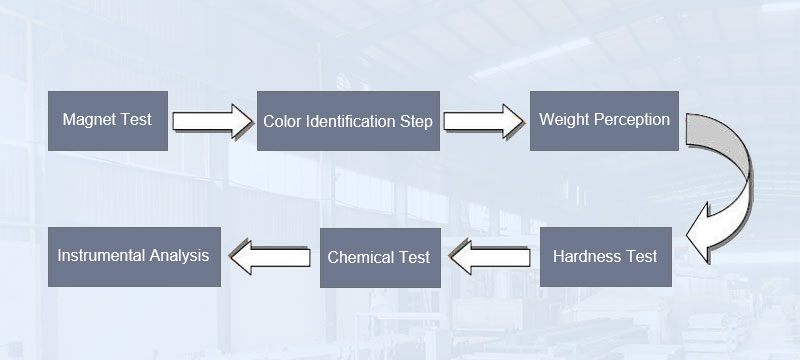
When faced with an unknown piece of metal, follow this logical process of elimination:
- Step 1: Magnet Test
- Strong pull: Ferrous (Iron, carbon steel, most stainless steel)
- No reaction: Non-ferrous (Aluminum, copper, lead, zinc, tin, titanium) or special stainless steel.
- Step 2: Color Identification
- Red/Orange: Copper
- Yellow/Gold: Brass
- Dull Blue-Gray: Lead or zinc
- Bright Mirror Silver: Stainless steel
- Matte Cool Gray: Aluminum
- Step 3: Weight Perception (Density)
- Extremely light: Aluminum or magnesium
- Medium: Zinc, tin, titanium
- Extremely heavy: Lead, copper, stainless steel
- Step 4: Hardness (Scratch) Test
- Deep scratch easily: Aluminum, lead, copper
- Hard to scratch: Stainless steel, titanium, iron
- Cuts like butter: Lead
- Step 5: Chemical Test (For higher certainty)
- Bubbles fast with HCl: Aluminum
- Bubbles violently with NaOH: Aluminum
- No reaction to HCl: Stainless steel, copper, silver
- Step 6: Instrumental Analysis (For precise results)
XRF Scanner: Instant elemental breakdown.
Professional Metal Identification Instruments
For industrial procurement departments and large scrap yards, visual and manual tests aren't always enough—especially when distinguishing between specific aluminum alloy grades or checking for hazardous trace elements.
- XRF (X-ray Fluorescence) Analyzer:A handheld "gun" that you point at the metal. Within 3-5 seconds, it displays the exact elemental percentage breakdown. It is non-destructive and is the gold standard for high-value scrap and quality control.
- LIBS (Laser Induced Breakdown Spectroscopy):Uses a laser to create a plasma on the metal surface and analyzes the light spectrum to determine composition. Very portable and fast.
- OES (Optical Emission Spectroscopy):Lab-grade equipment that uses electrical energy to vaporize the metal and analyze the spectrum. Excellent for detecting light elements like carbon in steel.
- Rockwell Hardness Tester:Uses an indenter to press into the metal, determining exact hardness. Aluminum typically falls between 20-40 on the Rockwell B scale, while stainless steel is around 88.
Safety Precautions
Metal testing carries inherent risks. Always follow safety protocols:
- Chemical Tests:Acid and base testing require chemical-resistant gloves and safety goggles. Work in a well-ventilated area and keep a supply of clean water nearby to flush accidental spills. HCl and NaOH are highly corrosive.
- Spark Testing:Always wear a full face shield and safety glasses. Ensure the testing area is free of flammable gases, liquids, and combustible dust.
- Lead Handling:Lead is a cumulative neurotoxin. Never grind, cut, or burn lead. Wear gloves when handling it, wash hands immediately afterward, and never eat or drink near lead. Use commercial lead-testing swabs for safe verification.
- Aluminum Dust Hazard:Fine aluminum dust is highly explosive in the air. When grinding aluminum, ensure excellent ventilation, keep temperatures low, and strictly avoid sparks or open flames near the dust.
Worthwill Aluminum: When You Know It's Aluminum, Choose a Reliable Supplier
Once you've mastered this identification system and confirmed that the material you need is indeed aluminum, the next question naturally arises:How do you choose a supplier that guarantees quality and precise specifications?
For industrial and architectural buyers, aluminum quality isn't just about price. Whether the alloy grade is authentic, the thickness tolerances are strict, and the surface treatment is uniform directly impacts the lifespan and performance of your final product.
Worthwillspecializes in the manufacturing and supply of premium aluminum products, including:
- Aluminum Sheet & Plate:Ideal for architectural facades, marine applications, industrial machinery, and tooling. Available in a wide variety of alloy grades with strictly controlled thickness tolerances.
- Aluminum Coil:Widely used in roofing, HVAC ductwork, and packaging. Customizable in width and thickness to fit your specific production line.
- Anodized Aluminum:Treated electrochemically to build a thick, durable oxide layer. It offers superior wear and corrosion resistance and comes in various colors. Perfect for architectural trims, electronics enclosures, and automotive accents.
- Color Coated Aluminum:Aluminum substrates coated with high-quality organic paint (PVDF, PE, etc.). Combining the lightweight nature of aluminum with vibrant aesthetics, it is highly popular for exterior facades, roofing systems, and signage.
Whether you need off-the-shelf standard sizes or highly customized thicknesses, alloy grades, and surface treatments, contact theWorthwill teamtoday for expert advice and competitive quotes.
Frequently Asked Questions (FAQ)
Q: Aluminum and magnesium look very similar. How do I tell them apart?
A: Magnesium (1.74 g/cm³) is even lighter than aluminum (2.7 g/cm³)—it is the lightest structural metal. Magnesium oxidizes darker in the air, and if you shave off a thin sliver and light it, magnesium will burn with a blinding white flame. In an acid test, magnesium usually bubbles even faster and more aggressively than aluminum. For absolute certainty, use an XRF scanner.
Q: How do I tell galvanized steel from aluminum?
A: Galvanized steel is magnetic (the core is steel), while aluminum is not—the magnet test solves this instantly. Additionally, galvanized steel often has a crystalline "spangle" texture on the surface and is much heavier than aluminum.
Q: What is the difference between pure aluminum and aluminum alloy, and how do I test it?
A: Pure aluminum (1000 series) is very soft and scratches deeply. Aluminum alloys contain elements like copper, magnesium, zinc, or silicon, making them significantly harder (shallower scratches). Professionally, you must use an XRF scanner to detect the specific alloying elements. The density of alloys varies slightly but generally stays within the 2.6-2.9 g/cm³ range.
Q: How do scrap yard workers identify aluminum so quickly?
A: Experienced workers use a rapid three-step mental checklist: First, a magnet (to rule out steel). Second, visual cues (checking for white oxidation vs. red rust, and the matte finish). Third, the "heft" or weight of the item. In 99% of cases, this yields an accurate answer in seconds.
Q: How can I tell if a shiny metal is aluminum or stainless steel without any tools?
A: Use the weight test. Stainless steel is nearly three times as heavy. Pick up the part; if it feels dense and heavy in your palm, it’s likely stainless. If it feels remarkably light for its size, it’s aluminum. Also, look at the shine: stainless steel looks like a warm mirror, while aluminum looks cooler and slightly hazier.
Conclusion: Build Your Metal Identification System
Metal identification is not magic—it is a systematic skill built on understanding the physical and chemical properties of materials.
The core framework is just four steps:
- Magnet Test:Separate ferrous from non-ferrous.
- Color & Appearance:Narrow down the likely candidates.
- Weight & Hardness:Further isolate the specific metal.
- Chemical/Instrument Test:Final confirmation.
By mastering this logic, you will make faster, more accurate decisions—whether you are sorting copper and aluminum at a scrap yard, verifying material quality at a negotiation table, or selecting the perfect metal for your workshop.
As one of the most vital non-ferrous metals in this system, aluminum's lightweight, corrosion-resistant, and highly workable properties make it the backbone of the aerospace, construction, packaging, and electronics industries. Once you can accurately identify it and pair it with a reliable supplier, your project is already set up for success.